
The AI for real science.
Run synthesis in a virtual lab, validated by real physics and chemistry.
- Run synthesis in a virtual lab, validated by real physics and chemistry.
- Simulate your experiment. Understand the results before you go to the bench.
- Reverse engineer a compound. Find the route, the reactions, the conditions.
- Design your experiment and test it computationally before you spend a euro.
- Build a protocol from five papers. Validate every step against thermodynamics.
- Don’t know how to run the simulation? Describe it. The agent does the rest.
Used by researchers at
MIT ·Stanford ·Harvard ·Oxford ·Cambridge ·Caltech · & 1000+ institutes

Literature Search
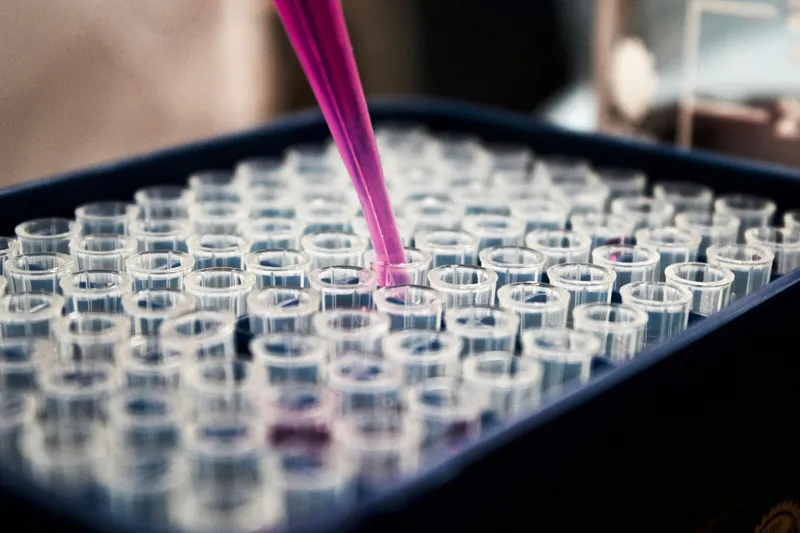
Protocol Extraction
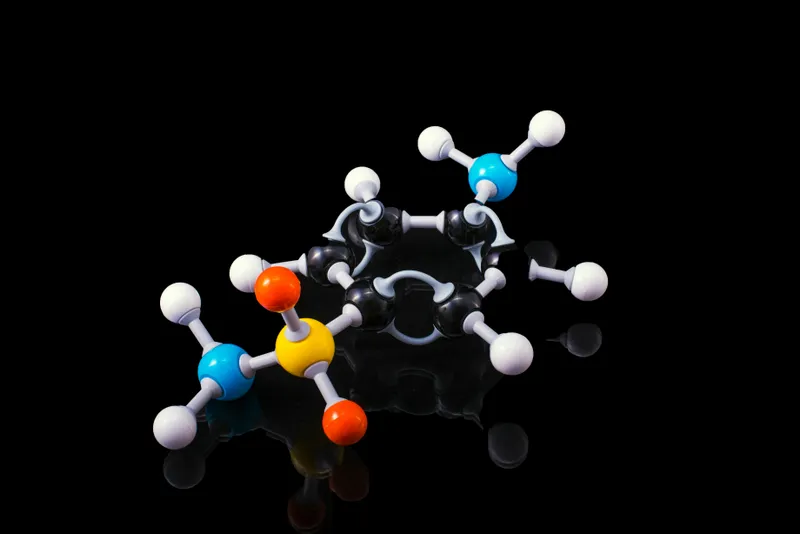
Chemistry Tools
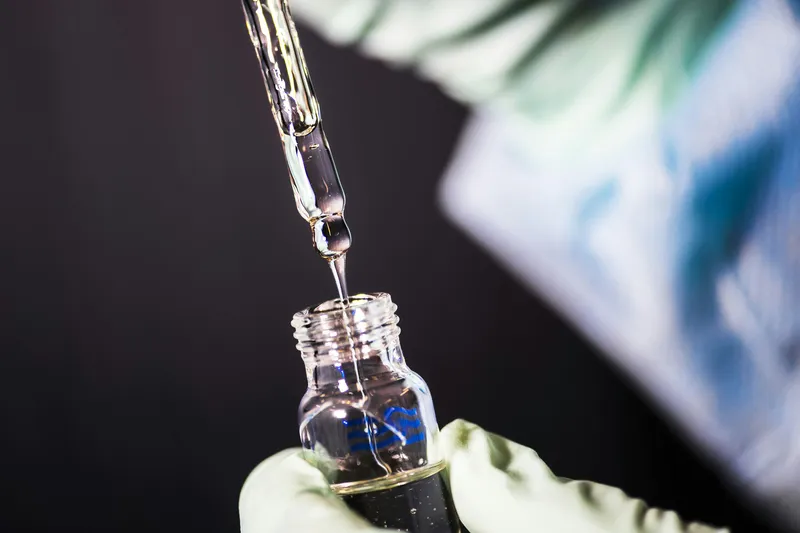
Lab Simulation
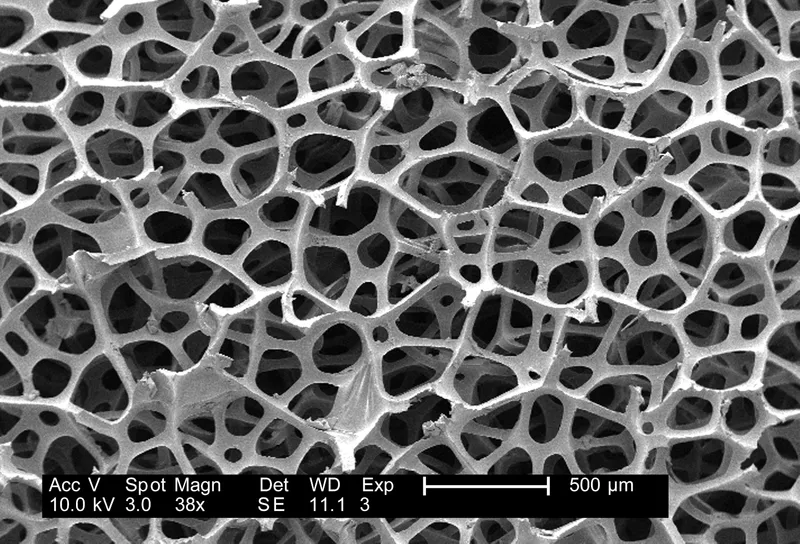
Compute Lab
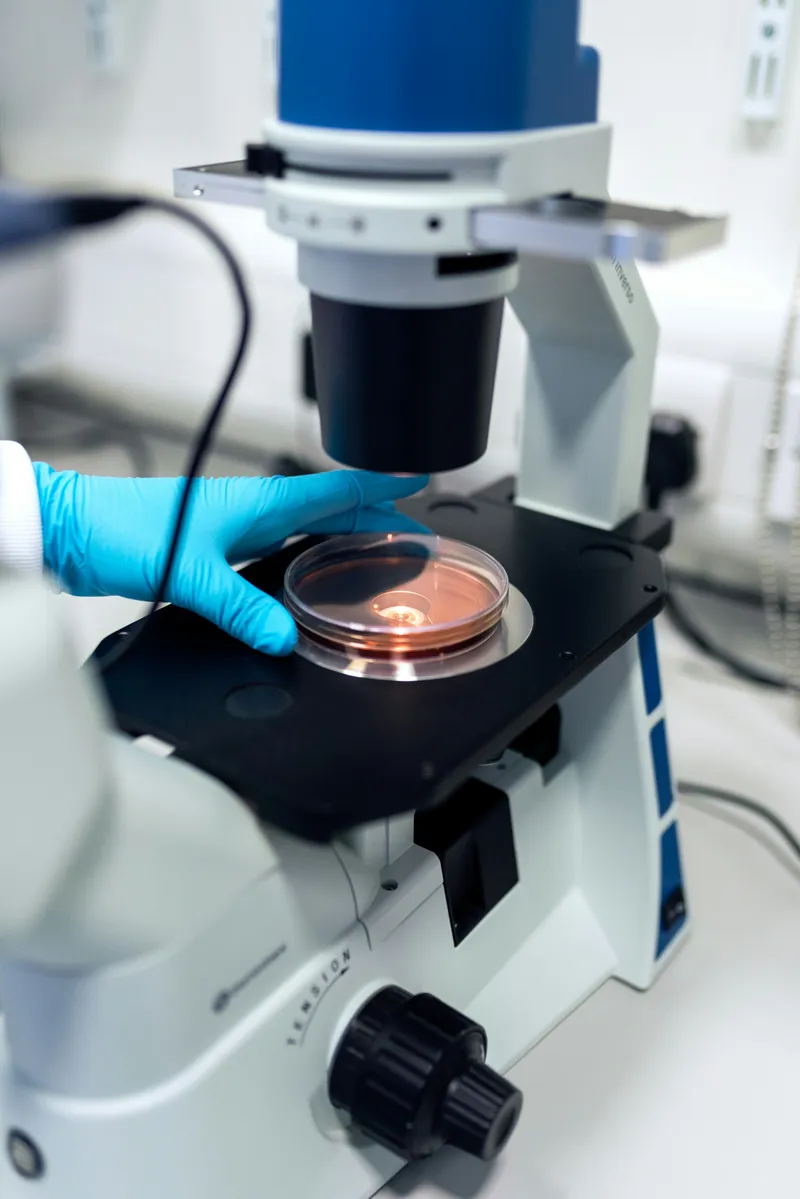
Prior Art
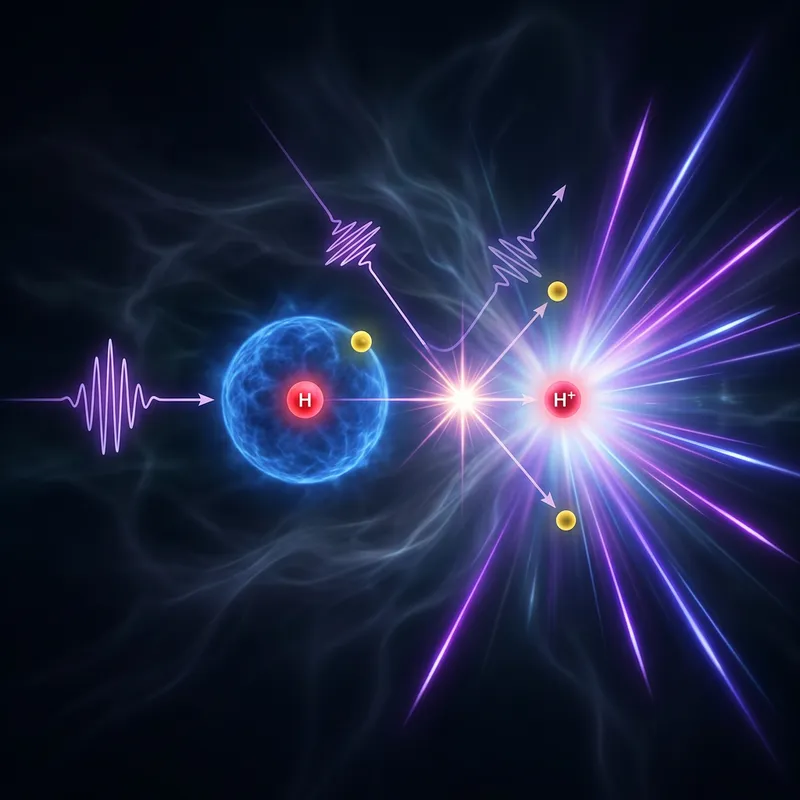
Quantum Simulation
02 // SCIENCE COMPUTER
AI & Jupyter.
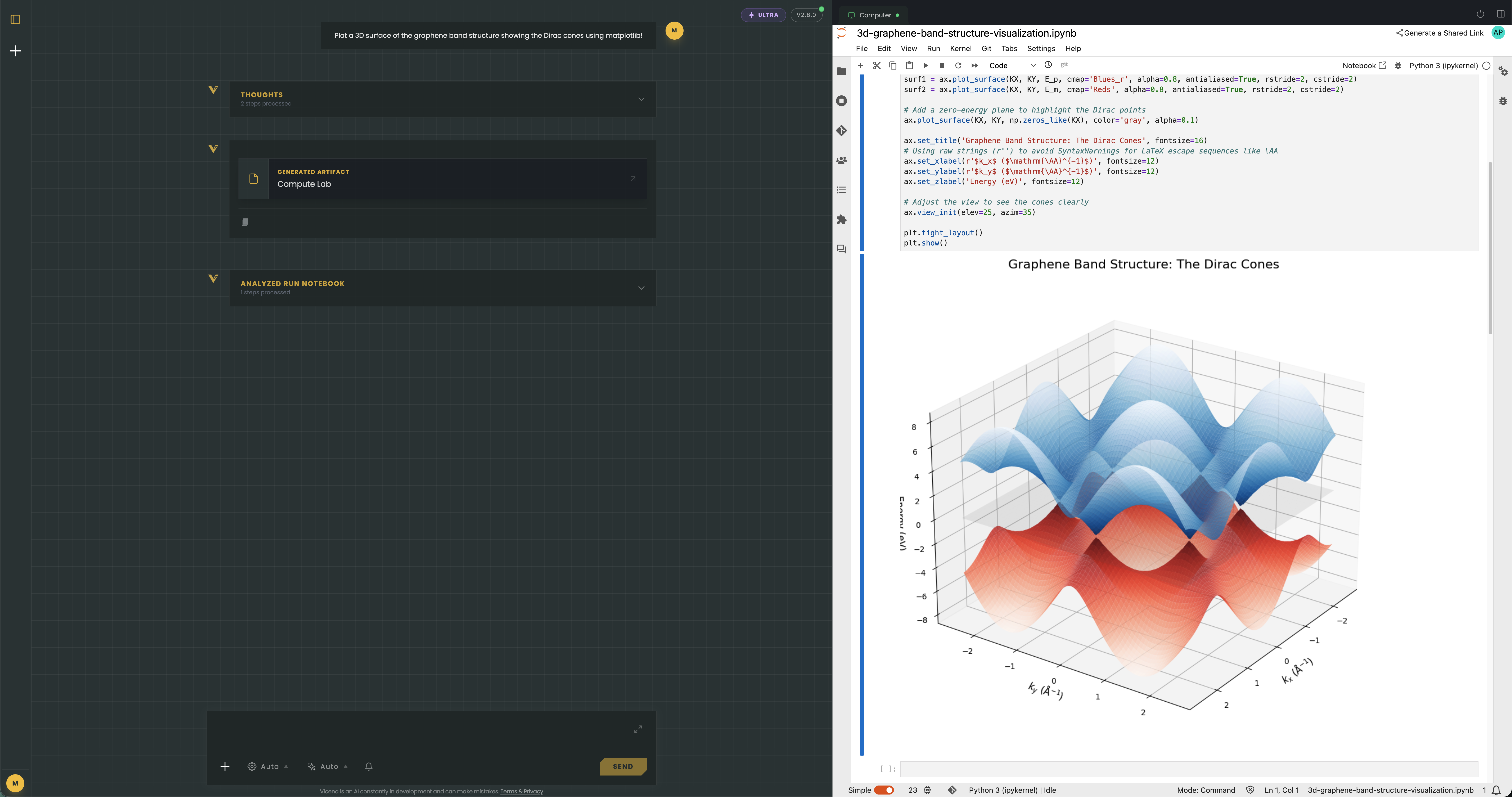
Scientists work in notebooks. They run simulations, plot results, and iterate. So we brought JupyterLab into Vicena. You and the AI agent work together in the same notebook, building on each other's work across sessions.
Agentic JupyterLab
The agent builds notebooks cell by cell: writes code, checks output, fixes errors, and refines. You see every step live.
The agent builds notebooks cell by cell: writes code, checks output, fixes errors, and refines. You see every step live.
30+ scientific packages
NumPy, SciPy, matplotlib, RDKit, PySCF, ASE, and more pre-installed. Need something else? Ask the agent to install it. It persists for next time.
NumPy, SciPy, matplotlib, RDKit, PySCF, ASE, and more pre-installed. Need something else? Ask the agent to install it. It persists for next time.
Persistent cloud environment
Your notebooks, data, and installed packages persist across conversations. Pick up where you left off.
Your notebooks, data, and installed packages persist across conversations. Pick up where you left off.
Try it free.
Literature review, patent search, computational chemistry, and a persistent JupyterLab computer. Describe your research problem and the agent gets to work.
Literature Review Protocol Extraction Lab Simulation Compute Lab Chem Tools Web Research Patent Search
