合成、实验方案、化学工具、笔记本和计算

面向化学工作的 AI

规划合成路线、设计实验、审计实验方案、分析化合物和反应,并在工作需要模拟时进入计算化学。

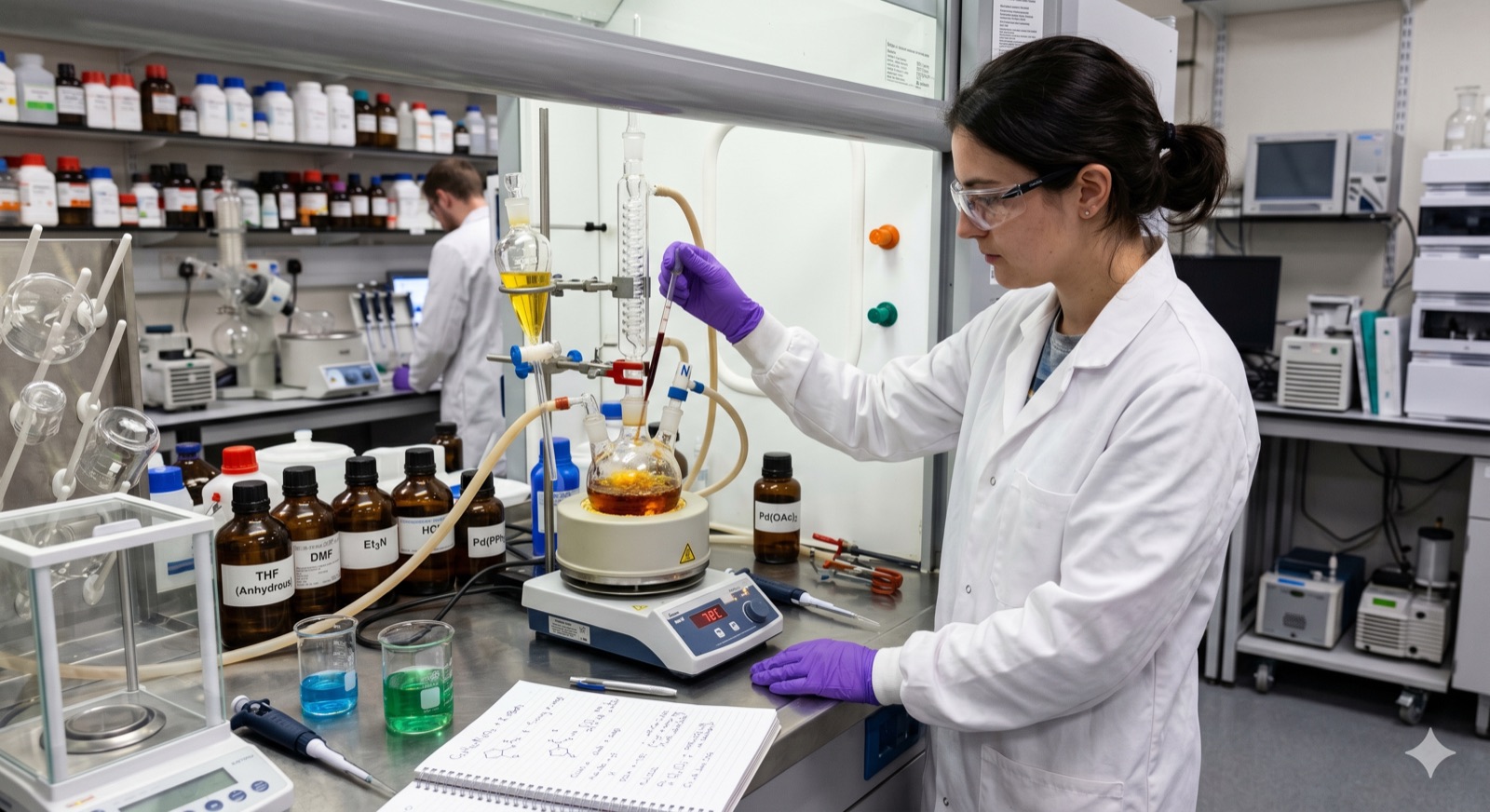
在进入实验台前规划合成路线、设计实验并审计实验方案。

  • 在进入实验台前规划合成路线、设计实验并审计实验方案。
  • 在一个流程中分析化合物、危险性、溶解性、谱图、描述符和相似性。
  • 检查反应的产物、配平、相容性、能量学、动力学和缺口。
  • 需要时从化学问题进入笔记本和 Rowan 驱动的计算。
  • 把论文、实验方案、分子和测定结果转化为下一步决策。
  • 工具支持的答案会返回证据和数据覆盖缺口,而不是虚假的确定性。
构建可操作草稿,再审计可行性、安全性和缺口。
实验方案工作流

构建可操作草稿,再审计可行性、安全性和缺口。

覆盖配平、相容性、预测、能量学、动力学和边界。
反应智能

覆盖配平、相容性、预测、能量学、动力学和边界。

运行描述符、pKa、构象、对接和模拟笔记本。
计算建模

运行描述符、pKa、构象、对接和模拟笔记本。

身份、性质、危险性、溶解性、谱图和数据缺口。
化学智能

身份、性质、危险性、溶解性、谱图和数据缺口。

从目标分子反推,寻找可行合成路线。
逆合成

从目标分子反推,寻找可行合成路线。

经过校验的化学计量、溶液、pH、蒸气压和气体压力计算。
化学计算器

经过校验的化学计量、溶液、pH、蒸气压和气体压力计算。

研究人员正在使用,来自顶尖高校、实验室和技术团队。

MITStanfordHarvardOxfordCambridgeCaltechETH ZurichTsinghuaGoogleNASACERNMax Planck1000+ institutes

化学工作区

一个覆盖化学工作的入口,需要时再进入更深入页面。

把本页作为化学产品界面的入口:合成规划、实验与实验方案设计、工具支持的化学答案、笔记本和计算。更深入的页面会解释每个区域,而不让本页承载所有细节。

工具支持的答案,而不是无依据猜测。

当维思纳需要分子量、沸点、GHS 编码、反应产物或建模结果时,它会调用合适工具并保持证据可见。当工具无法验证某件事时,答案会明确说明。

🔬

每个数字都有来源

分子量来自 RDKit;沸点来自 Thermo 库;GHS 危险性来自 PubChem。答案中的每个数值都会引用生成它的库和函数,便于你验证或自行重跑。

⚖️

暴露数据覆盖缺口,而不是制造虚假安全感

当工具没有某个化合物的数据时,它会返回“数据覆盖缺口”信息,而不会说“未检测到危险”。随后智能体会回退到自身化学知识,并把那部分标注为推理,而不是已验证结果。

🔗

一次提示中的多工具答案

一次实验方案审计可能调用收率、原子平衡、相容性、沸点和安全工具。智能体会选择运行哪些工具、按什么顺序运行,并读取输出生成最终答案。你只需描述一次问题。

产品界面

化学工作区覆盖什么。

智能体可以从实际化学目标开始,然后根据任务需要路由到本地工具、笔记本、实验方案工作流或外部计算。

Protocol Builder + Audit icon

实验方案生成器 + 审计

先起草,再证明式检查。

实验方案生成器会区分有来源依据的步骤和假设。实验方案审计会形式化步骤,生成待验证项,并把发现、缺口、假设和来源记录为证书。

Chemistry Calculator icon

化学计算器

范围受控的定量化学。

化学计量、理论收率、溶液配制、稀释、pH、简单平衡、蒸气压和理想气体压力。缺失常数或模糊物种会产生验证错误,而不是猜测。

Chemical + Reaction Intelligence icon

化学 + 反应智能

用于智能体推理的证据包。

化学智能解析化合物身份、性质、危险性、溶解性、谱图和相似性。反应智能增加反应解释、预测、配平、相容性、能量学、动力学和明确数据缺口。

ROWAN ⚛️

计算化学

以笔记本为先的建模,需要时由 Rowan 提供支持。

AI 会为描述符、pKa、构象、DFT、对接、MD 和其他分子建模任务创建可见笔记本。部分高级工作流由 Vicena Compute 中的 Rowan 支持,并受额度限制。

查看计算化学

你可以完成什么

从规划到计算的实际化学任务。

下面每个场景都是真实化学任务。查看智能体会做什么、返回什么,以及它可以路由到哪个更深入的产品区域。

01

进入实验台前,先知道你的实验方案是否真的可行。

你从论文中提取合成路线,或自己设计一条路线。你即将投入时间、试剂和玻璃器皿。维思纳会读取实验方案、检查计算、标记不相容项,并在约 30 秒内引用它发现的内容。

你会看到什么

逐步审计:理论最大收率与主张收率、原子平衡、溶剂沸点与回流温度、每种试剂的 GHS 危险性,以及相容性担忧(漂白剂 + 氨、HF + 玻璃、氯化溶剂 + 聚碳酸酯)。每个数字都引用来源库。无法验证的内容会标记为数据覆盖缺口,而不是被掩盖。

它节省什么

半小时手工 SDS 审阅,一次组会中“等等,这个收率真的可能吗?”的尴尬,以及本会浪费在不可行方案上的试剂。

02

从手中的论文到可运行的实验方案。

论文、补充信息和专利常把方法埋在密集文字中。维思纳会提取温度、浓度、时长和试剂等变量,与来源主张交叉核对,并标记不一致或不完整内容。

你会看到什么

结构化实验方案,每个参数都有标签,每个值都有置信度和来源页/段落。可直接粘贴到实验记录本。

它节省什么

节省你因为补充信息和正文数字不同而反复阅读方法部分三遍的一个小时。

03

反应产物,不靠猜。

对于 Suzuki、Buchwald、Heck、酰胺偶联和 Fischer 酯化等专利常见反应,维思纳可以调用训练好的反应模型。对于 SN2、酸碱和简单酯化等教材反应,它可以使用确定性规则。你会得到预测产物、所用方法和清晰可靠性边界。

你会看到什么

预测产物的 SMILES 和结构、生成它的方法,以及预测可靠和不可靠的边界。

它节省什么

减少已知反应上的心智消耗,把思考留给未知反应。

04

一次提示完成类药性和骨架分析。

粘贴一个 SMILES,获得 LogP、MW、HBD、HBA、TPSA、可旋转键、Lipinski 通过/失败、Veber 通过/失败,以及与你选择的参考化合物的 Tanimoto 相似性。

你会看到什么

完整描述符表和基于规则的评估,加上参考集相似性评分和骨架分析。

它节省什么

省去五个 SwissADME 标签页和手动指纹比较,同时保持方法一致和输出结构化。

05

没有样板负担的计算化学。

你想要描述符、pKa、构象、HOMO-LUMO 能隙、优化几何、偶极矩或振动光谱。用自然语言提出即可。维思纳会创建笔记本,选择合适的本地或 Rowan 驱动工作流,在预算限制内运行并返回数字。

你会看到什么

一个 Jupyter 笔记本,包含输入、使用 Rowan 时的工作流 UUID、带正确单位的结果、表格、图表、CSV 文件,以及可用时与参考值的比较。笔记本会保留:你可以修改、扩展,或在方法部分引用。

它节省什么

节省为单个建模问题准备输入文件、轮询、提取描述符和绘图的设置时间。

应用说明

用维思纳进行合成规划。

了解维思纳如何把化学目标转化为结构化合成规划、工具支持检查和可供决策的研究工件。

下面是示例提示。点击即可运行。

Example prompts

你可以问什么。

五个类别,每类三个提示,从快速查询到多步骤工作流。点击任意提示即可用它打开新聊天。

🧪

实验室安全

GHS 危险性、相容性检查和实验方案级审计。

用途PubChem GHS + 精选相容性规则
🌿

绿色化学

带安全交叉检查的溶剂选择。原子经济性和收率分析。

用途LogP 溶剂排序 + ChemPy 化学计量
📚

化合物智能

身份、结构、物理性质、危险性、溶解性、谱图、描述符和相似性。

用途PubChem + RDKit + Thermo + SMARTS + Morgan 指纹
🧬

反应智能

正向产物、逆合成、配平检查、相容性、能量学和动力学。

用途ReactionT5v2 + RDKit + ChemPy + Thermo + 相容性规则
⚛️

计算化学

PySCF 笔记本,加上通过 Vicena Compute 运行的 Rowan 驱动分子建模。

用途通过科学模拟使用 PySCF + Rowan

Some examples run on the free tier; notebook and Rowan-powered workflows require Plus or Ultra.

完整工作流

描述问题,智能体会串联工具。

下面每个工作流都是化学家每天解决的真实问题。点击任意示例即可在新聊天中运行。

🔬

审计我的合成实验方案

在进入实验台前捕捉不可能收率、不安全组合和隐性危险。

Chains 实验方案审计 安全摘要 化学分析器
🧬

Plan a synthesis for a target

Retrosynthetic routes with literature backing and predicted yields.

Chains 逆合成 文献综述 反应预测器
🧪

Characterize an unknown compound

Properties, predicted spectra, and functional groups in one pass.

Chains 化学分析器 光谱预测器 Functional Groups
💊

Evaluate drug-likeness

Lipinski + Veber assessment with safety and solvent compatibility.

Chains 分子描述符 分子相似性 安全摘要
💧

Find the best solvent

Ranked solvent compatibility cross-referenced with GHS hazards.

Chains 溶解性预测器 化学分析器 安全摘要
⚛️

Run quantum chemistry

DFT, Hartree-Fock, or MP2 calculations written and executed in your notebook.

Chains Notebook Rowan PySCF

实验方案审计

Six checks the agent runs on a protocol.

Given a protocol, the agent breaks it into steps and calls each of the checks below. They return numerical results with citations, or "coverage gap" if the underlying database doesn't have data. The LLM reads the tool output and writes the final summary; it does not invent numbers the tools didn't return.

Yield validation

Computes theoretical maximum from reactant mass and molecular weights via RDKit. A claimed yield over 100% is flagged as a conservation of mass violation.

Atom balance

Checks that every atom in the products came from somewhere in the reactants. Catches "atoms from nowhere" errors in proposed mechanisms.

相容性

Curated rules + SMARTS-based classification (HF + glass, alkali + protic, chlorinated + polycarbonate, bleach + ammonia) with resolver that handles compound aliases and qualifiers.

Boiling points

Exact values from the Thermo library (DIPPR correlations, 70,000 compounds), cited by source so you know what the AI knows.

GHS hazards

Live GHS classification from PubChem: signal word, hazard codes, precautionary statements. Refreshed per query, never cached stale.

Coverage gaps

When a check has no rule or data for your compound, it says so explicitly. Never "no hazards detected". Always "I cannot verify, use your judgment."

Who typically uses these tools.

Who it's for

Who these tools are for.

For professionals and students. For bench chemists and theorists. The barrier Vicena lowers is the same in both cases: the friction between reading about chemistry and actually doing it.

Bench chemists

Catch impossible yields and unsafe combinations before running a protocol.

Protocol Audit + Safety Summary

Medicinal chemists

Evaluate drug-likeness, find analogs, plan synthesis routes.

Retrosynthesis + Descriptors + Similarity

PIs & safety officers

Review student protocols at scale, with cited safety reasoning.

Protocol Audit + GHS + Compatibility

Grad students

Predict spectra, pick solvents, understand unknown molecules.

Spectroscopy + Solubility + Functional Groups

Computational chemists

Run molecular modeling workflows in visible notebooks without wiring every SDK call by hand.

Vicena Compute + Rowan + Jupyter

Open-source libraries under the hood.

Libraries used

What the tools are built on.

Open-source chemistry libraries and public databases. The specific library or database behind each answer is cited in the output.

RDKit

Industry-standard cheminformatics toolkit used at Pfizer, Novartis, and Merck.

PubChem

NIH's open chemistry database: 116 million compounds with structures, properties, and safety data.

Thermo

70,000 compounds with validated thermodynamic properties (DIPPR correlations).

PySCF

Academic quantum chemistry package for Hartree-Fock, DFT, and post-HF calculations.

Rowan

Selected advanced molecular modeling workflows are powered by Rowan through Vicena Compute, gateway routing, and computation credits.

ChemPy

Physical chemistry library for stoichiometry, balancing, and kinetics.

Molecular Transformer

Neural network trained on 1.2 million patent reactions (IBM / EPFL).

Common questions

FAQ.

Can the AI check if my yield is physically possible?

Yes. The theoretical yield calculator uses reactant mass and molecular weights from RDKit to compute the 100% theoretical maximum. If your claimed yield exceeds that, the tool flags a conservation of mass violation. Ask: "Is 6.2 g of product from 5 g of starting material physically possible for SMILES X → Y?"

How does it check chemical compatibility?

A curated rule set plus SMARTS-based structural classification. Catches HF + glass, alkali + protic solvent, bleach + ammonia (chloramine gas), chlorinated solvent + polycarbonate, and about 20 other common incompatibilities. When no rule matches, the tool returns a coverage gap message instead of implying the pair is safe.

Which reaction prediction model does it use?

ReactionT5v2, a sequence-to-sequence neural network trained on 1.2 million patent reactions (USPTO). Published accuracy is ~93% on patent-style organic reactions, lower on organometallics and unusual chemistries. Simple textbook reactions (esterification, SN2, hydrolysis) use deterministic SMARTS rules instead.

Does it do retrosynthesis?

Yes, using the retrosynthesis mode of ReactionT5v2. Give it a target SMILES and it proposes disconnections and starting materials. Best for drug-like organic molecules; less reliable for very large molecules, polymers, or inorganic targets.

How is this different from SciFinder, Reaxys, or IBM RXN?

Those tools are curated databases (SciFinder, Reaxys) or single-purpose reaction predictors (IBM RXN). Vicena integrates multiple open-source components (RDKit, PubChem, Thermo, ChemPy, PySCF, ReactionT5v2) through an LLM that orchestrates them. It does not replace the full literature search of SciFinder or Reaxys; it covers property lookup, prediction, audit, and quantum chemistry tasks.

Is the GHS hazard data up to date?

Pulled live from PubChem per query, not cached. You get the current signal word, hazard statements (H-codes), precautionary statements (P-codes), and pictogram codes for any compound PubChem indexes.

What computational chemistry methods are supported?

Vicena supports local notebook workflows such as Hartree-Fock, DFT, and MP2 via PySCF, plus selected molecular modeling workflows powered by Rowan through Vicena Compute. Budget caps and computation credits apply before expensive submissions.

Does it calculate Lipinski Rule of Five?

Yes. The molecular descriptors tool computes MW, LogP (Wildman-Crippen), HBD, HBA, and TPSA via RDKit and evaluates against Lipinski's Rule of Five and Veber's rules for oral bioavailability.

Can it predict spectra?

Functional-group-based IR, ¹H/¹³C NMR, and MS fragment prediction using a SMARTS-matched spectral database. Not quantum-mechanical; use PySCF via the notebook for first-principles IR.

What does "coverage gap" mean in the output?

It means the tool looked for the compound or reaction and could not find data for it. Rather than returning an empty result (which looks like "safe" or "no hazards"), the tool explicitly says the database does not cover this case and the LLM falls back to its own chemistry knowledge, labeled as reasoning rather than as a verified result.

From the co-founder

We're trying to reduce the friction between reading chemistry and doing chemistry. Professionals and students should be able to extract ideas from papers, design experiments, audit protocols, and run computational chemistry without learning every tool one by one.

The goal is to let researchers focus on the scientific question while Vicena handles the mechanics: which tool to call, what assumptions matter, what evidence is available, and where the result stops being verified.

Think of it as Deep Work for chemistry: describe the objective in natural language, let the AI pick the right tools, and keep the evidence visible from the first idea through the executed result.

This is a small step in our journey toward AI for real science, helping students and professionals do science more enjoyably, with less friction.

Try it on your next protocol

Free to start. Paste a protocol and ask for an audit, look up a compound, or plan a reaction.