
EXPERIMENTAL SCIENCE FOR AI
Real experimental data for AI that can do science.
We work with scientists to design experiments, develop formulations and capture how research evolves. Connect original measurements with the decisions, revisions and outcomes that teach AI how to carry scientific work forward.
Original measurements and expert review, scoped to your scientific task.
EXPERIMENT FAMILIES
Examples of scientific work your AI can learn from.
Explore scientific data types across materials, chemistry and biology. We scope new experiments or expert completion of suitable historical datasets around your model’s needs.
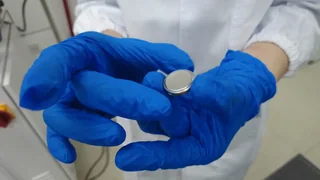
Batteries and electrochemistry
Cycling, impedance, process records and performance data
Batteries and electrochemistry
Cycling, impedance, process records and performance data
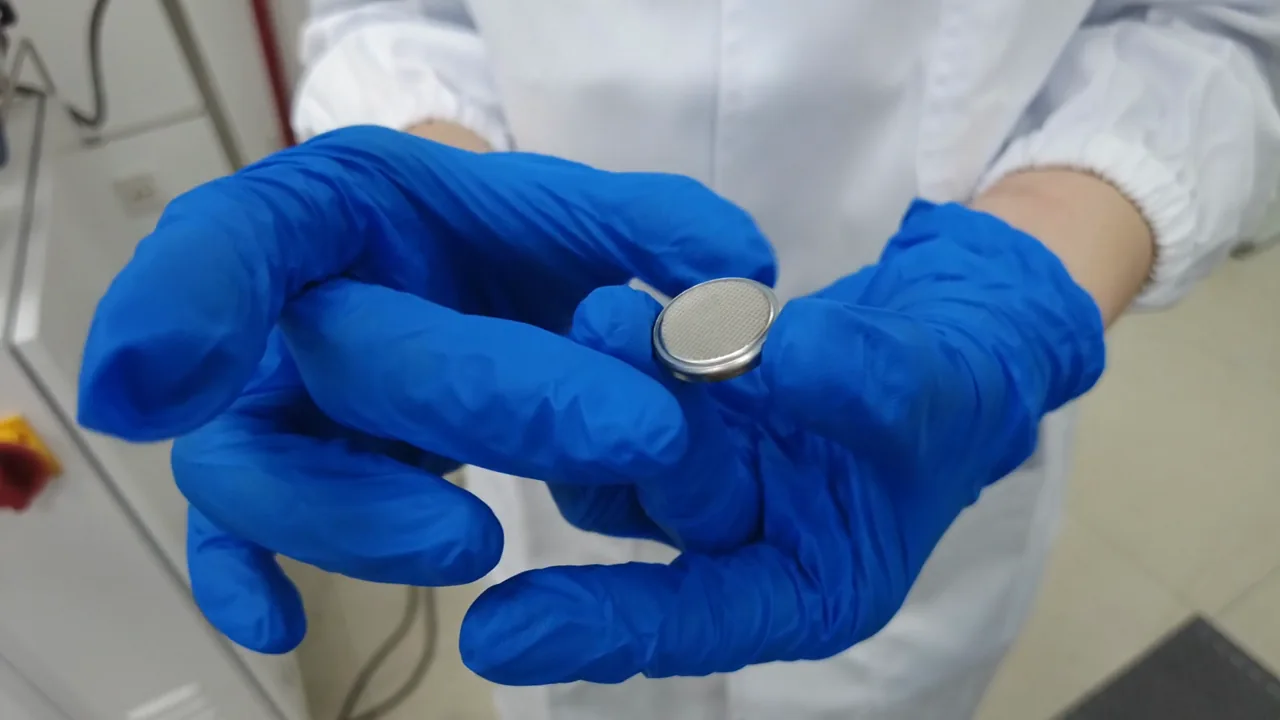
Connect the way a material is prepared and a cell is assembled to its measured performance.
- Experiments to scope
- Formulation and electrode coating; coin-cell assembly; formation, cycling and electrochemical characterization.
- Data types we can collect
- Formation and cycling time series; impedance and resistance measurements; process and formulation records; cell metadata and later performance outcomes.
Study preparation-to-performance relationships and evaluate how models interpret variation, controls and failure.
Example measurements
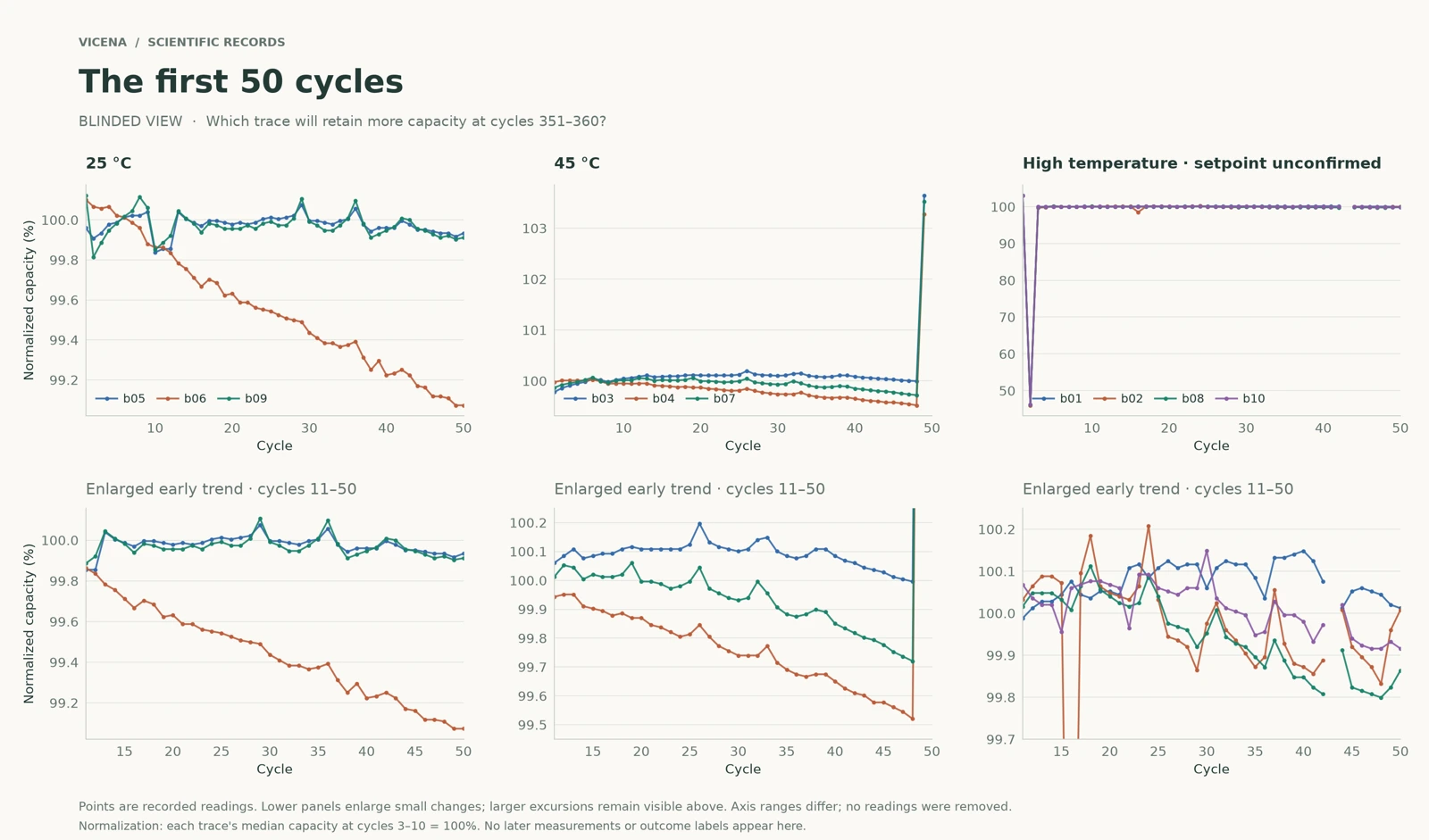
How battery performance changes
Each line follows a battery sample through its first 50 charge cycles. Pairing early measurements with later results lets us test whether a model can choose the sample that holds more charge after repeated use.
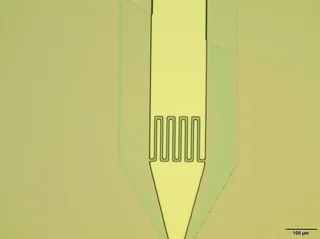
Thin films and 2D materials
Reactor logs, Raman spectra, microscopy and fabrication records
Thin films and 2D materials
Reactor logs, Raman spectra, microscopy and fabrication records
Connect how films are fabricated and 2D materials are transferred to measured quality and the next process decision.
- Experiments to scope
- CVD growth, spin coating, lithography, deposition, etching, lift-off and graphene transfer; individual steps or a linked fabrication workflow.
- Data types we can collect
- Reactor time series and process events; native Raman spectra, spatial mapping and acquisition metadata; microscopy, surface scans and expert quality decisions.
Assess pattern fidelity, film coverage and damage, including the expert judgement needed before the next step.
Example measurements
What a material’s measurements reveal
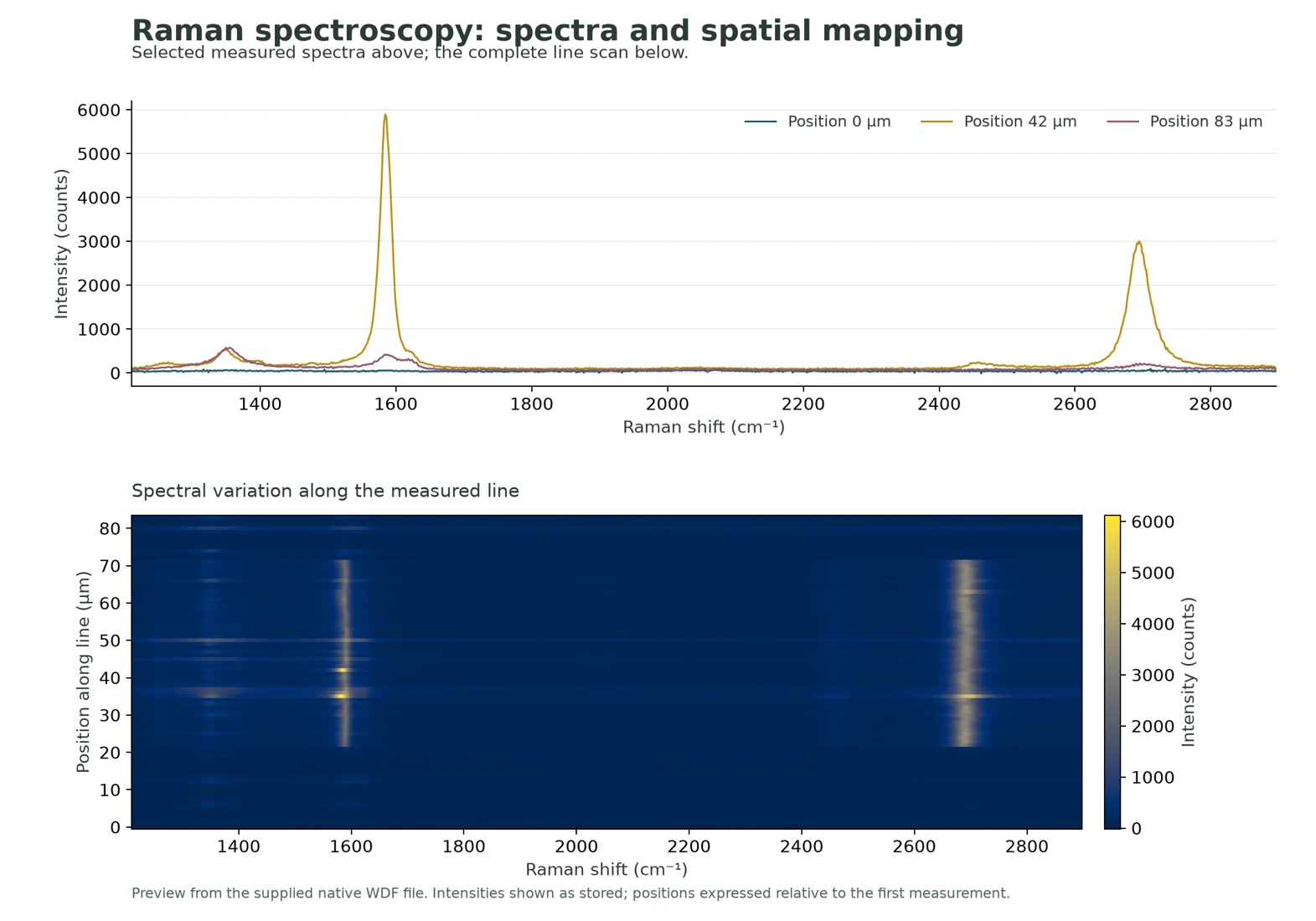
These light-based measurements show how a material’s response varies across the measured line. Scientist-reviewed interpretations can help a model learn to recognize differences and assess quality.
What happened during an experiment
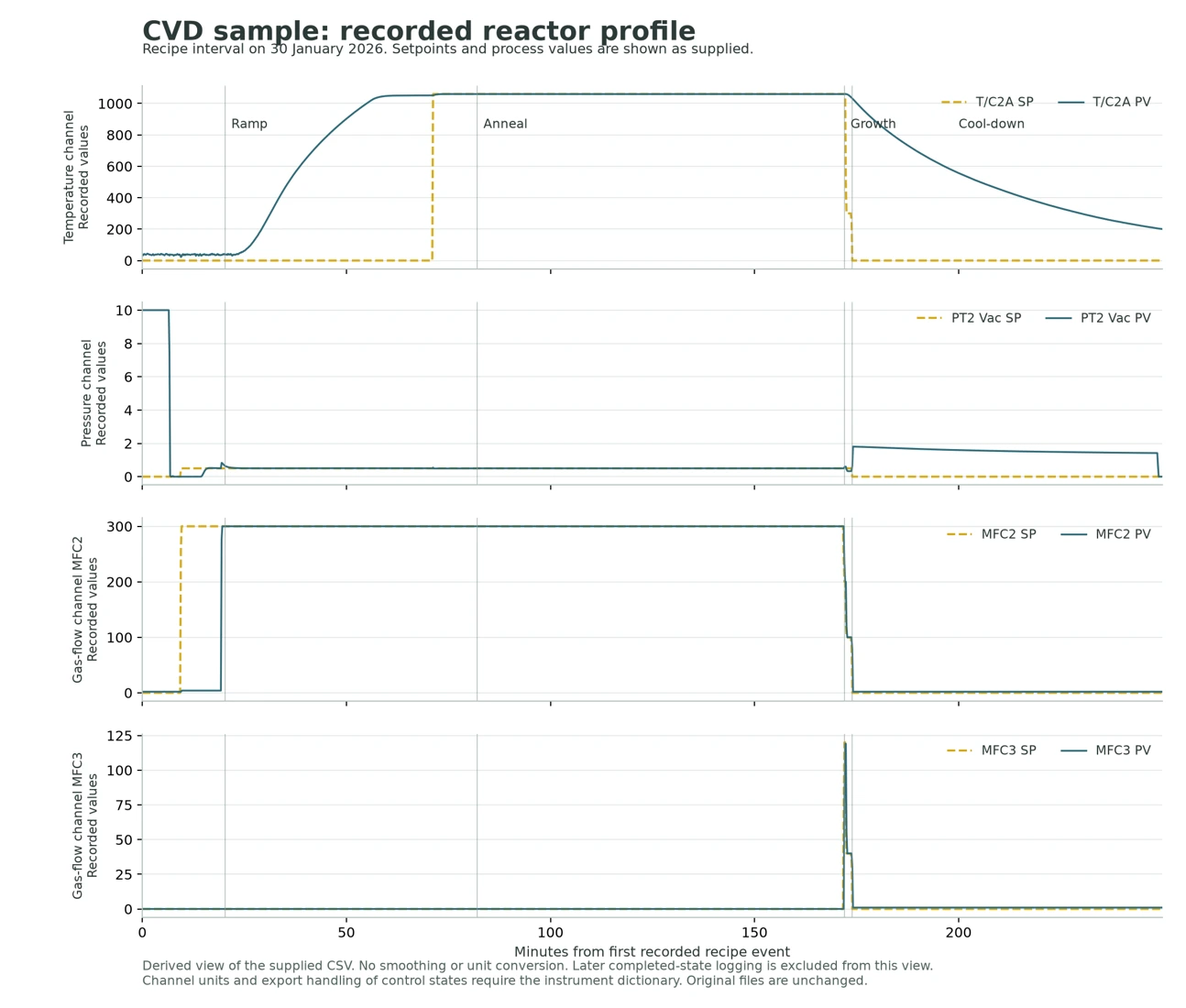
These traces record reactor signals over one run. Process records can help a model connect experimental conditions to observations and decide what to investigate next. This record is separate from the Raman example.
SUPPLIED RESEARCH EXAMPLES
Examples of process failures
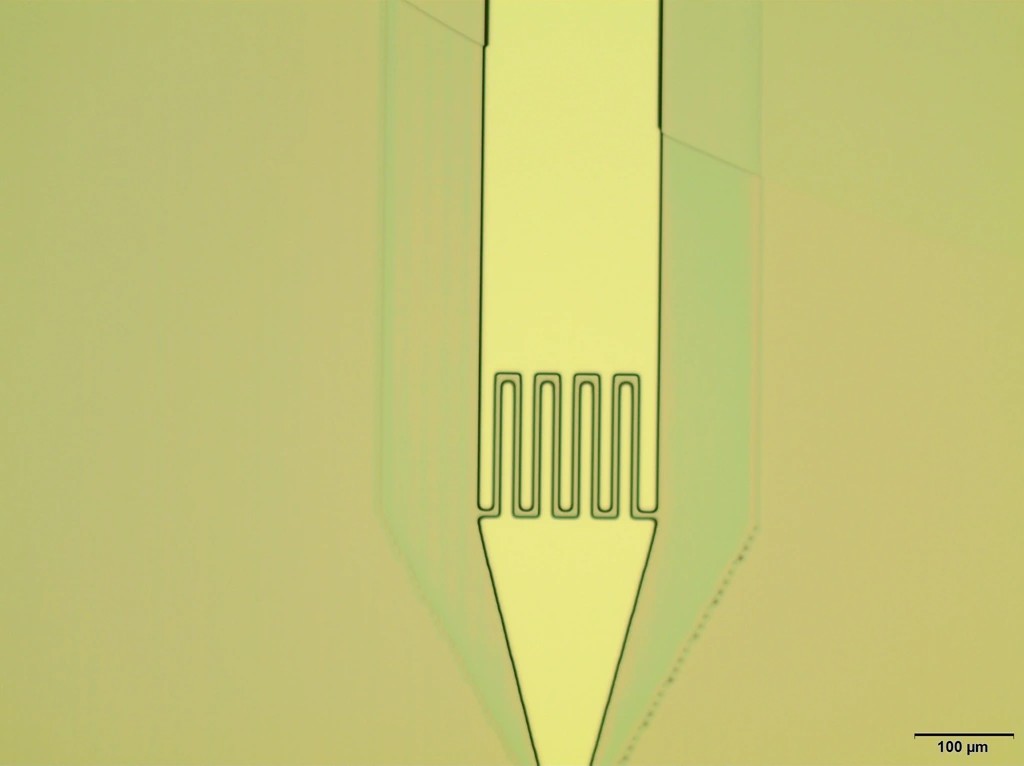
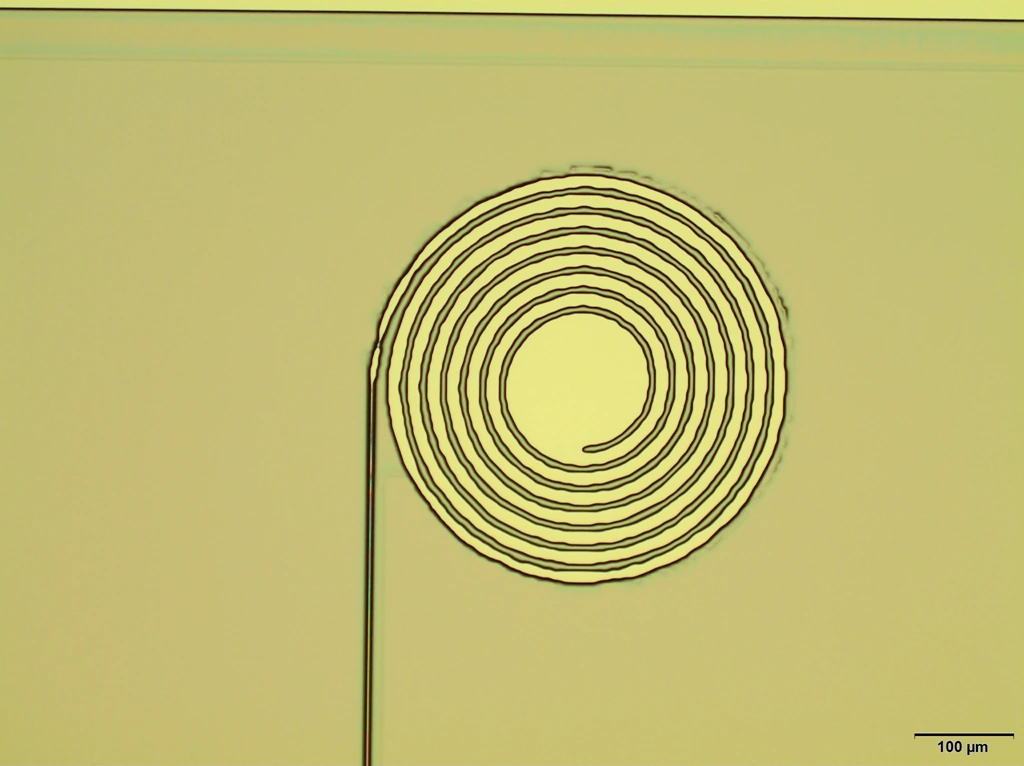
These microscopy and AFM figures show reported quality problems in fabrication. A new campaign can connect such observations to process settings, original measurements and the researcher’s next decision.
 Open full image
Laser lithography
- Reported issue
- Wavy or scalloped pattern edges and varying linewidth after laser lithography for a microwave resonator.
- Data to capture in a new programme
- Exposure recipe and settings, calibrated pattern images and linewidth measurements, with the researcher’s decision to accept or rework.
- AI learning task
- Assess pattern fidelity before the next fabrication step.
 Open full image
Graphene transfer
- Reported issue
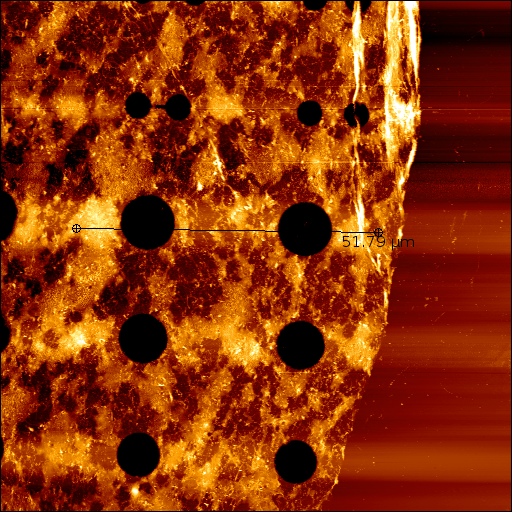
- The supplied slide reports openings left uncovered after graphene transfer, based on AFM.
- Data to capture in a new programme
- Transfer and drying conditions, native AFM scans and height profiles, substrate and scan coordinates, and the next-step decision.
- AI learning task
- Check film coverage and choose the next measurement or process change.
 Open full image
Multilayer deposition
- Reported issue
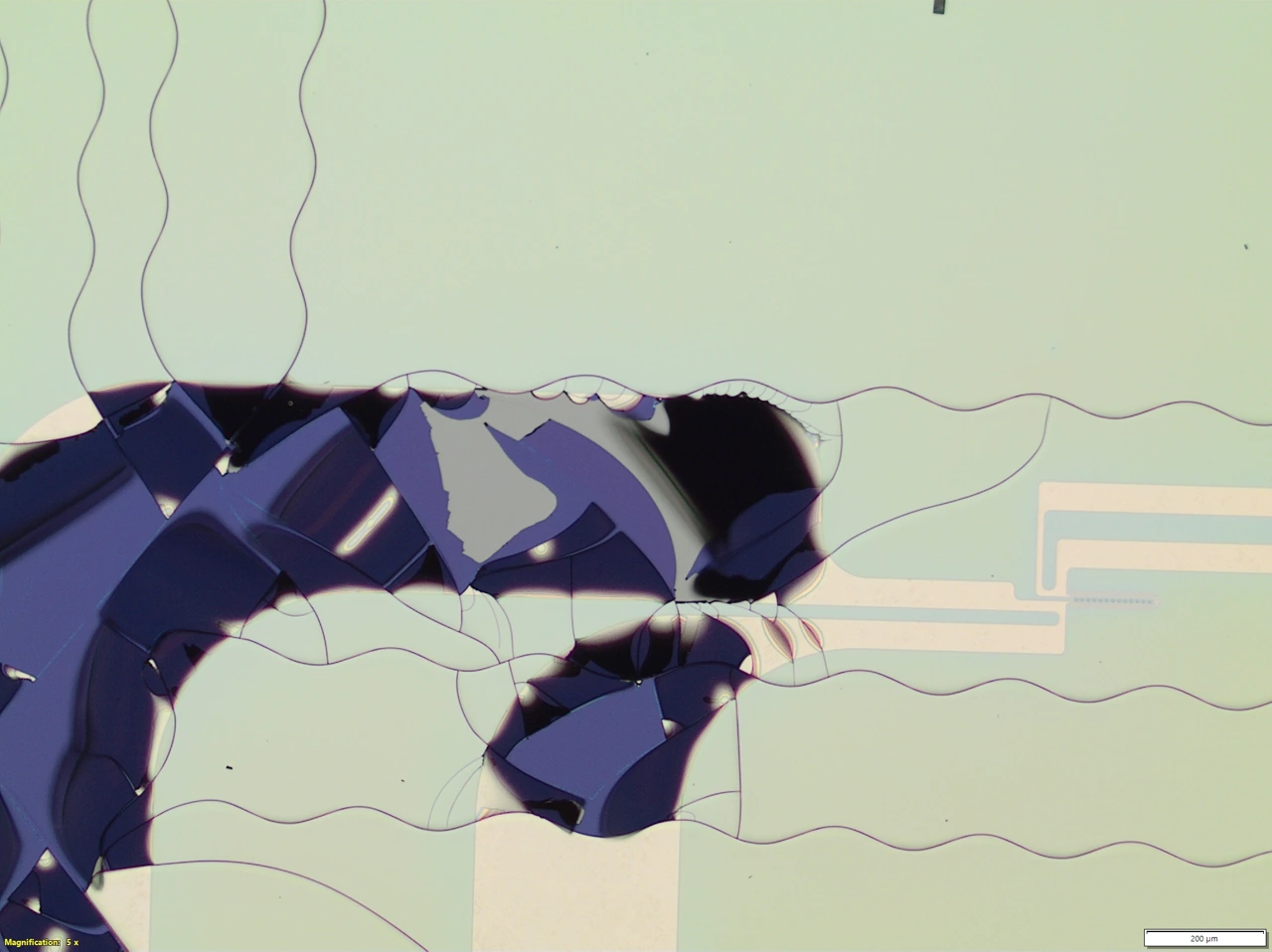
- Wrinkling and broken structures after CVD deposition of a Si/SiO₂/SiNₓ stack.
- Data to capture in a new programme
- Layer sequence and deposition settings, original microscopy, thickness and defect measurements, and the researcher’s interpretation.
- AI learning task
- Recognize film damage and evaluate which step to investigate next.
Figures shared by Hadi Arjmandi Tash. Native files, sample links and capture terms are agreed for each new programme.
Materials synthesis and characterization
Diffraction, microscopy, composition and performance data
Materials synthesis and characterization
Diffraction, microscopy, composition and performance data
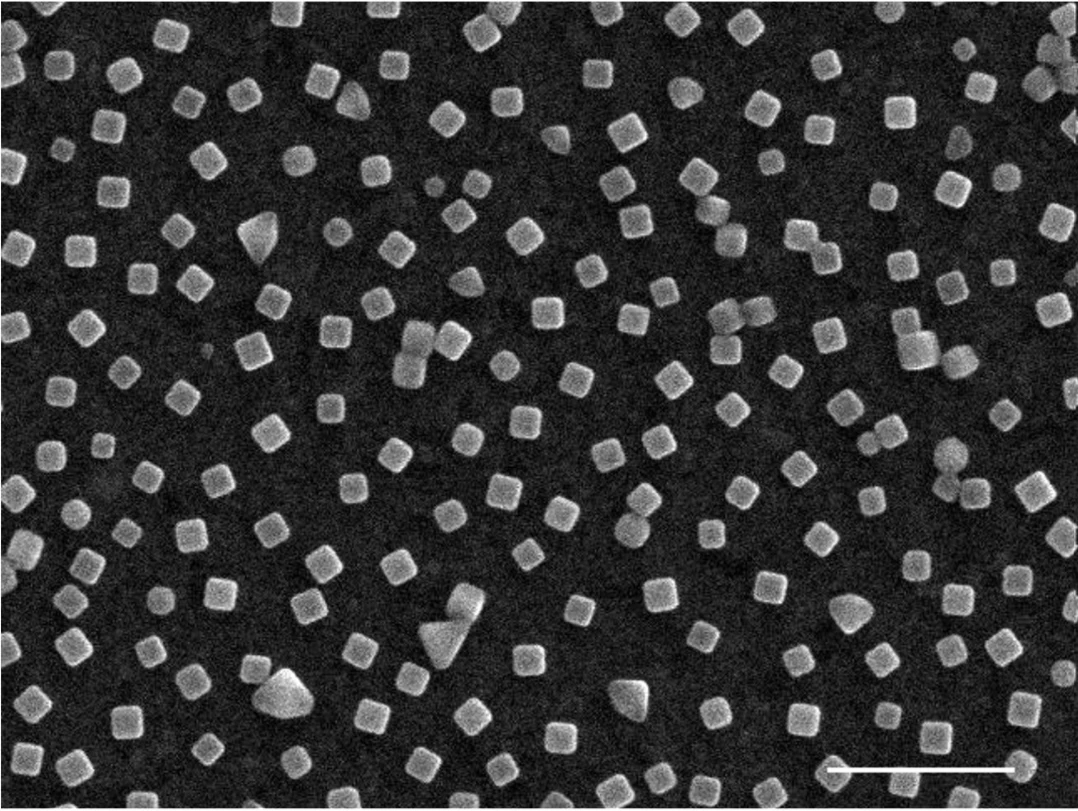
Connect a material’s preparation history to its structure, composition and measured performance, including catalyst and oxygen-electrode studies.
- Experiments to scope
- Solid-state synthesis, XRD, microscopy and elemental or surface analysis; catalyst and oxygen-electrode performance and durability tests.
- Data types we can collect
- Diffraction patterns, microscopy images, elemental maps and surface spectra; electrochemical response and durability time series; sample and test metadata.
Build datasets for structure–property prediction, phase analysis and interpretation of measured evidence.
Chemical synthesis and analytical testing
Reaction records, spectra and chromatograms
Chemical synthesis and analytical testing
Reaction records, spectra and chromatograms
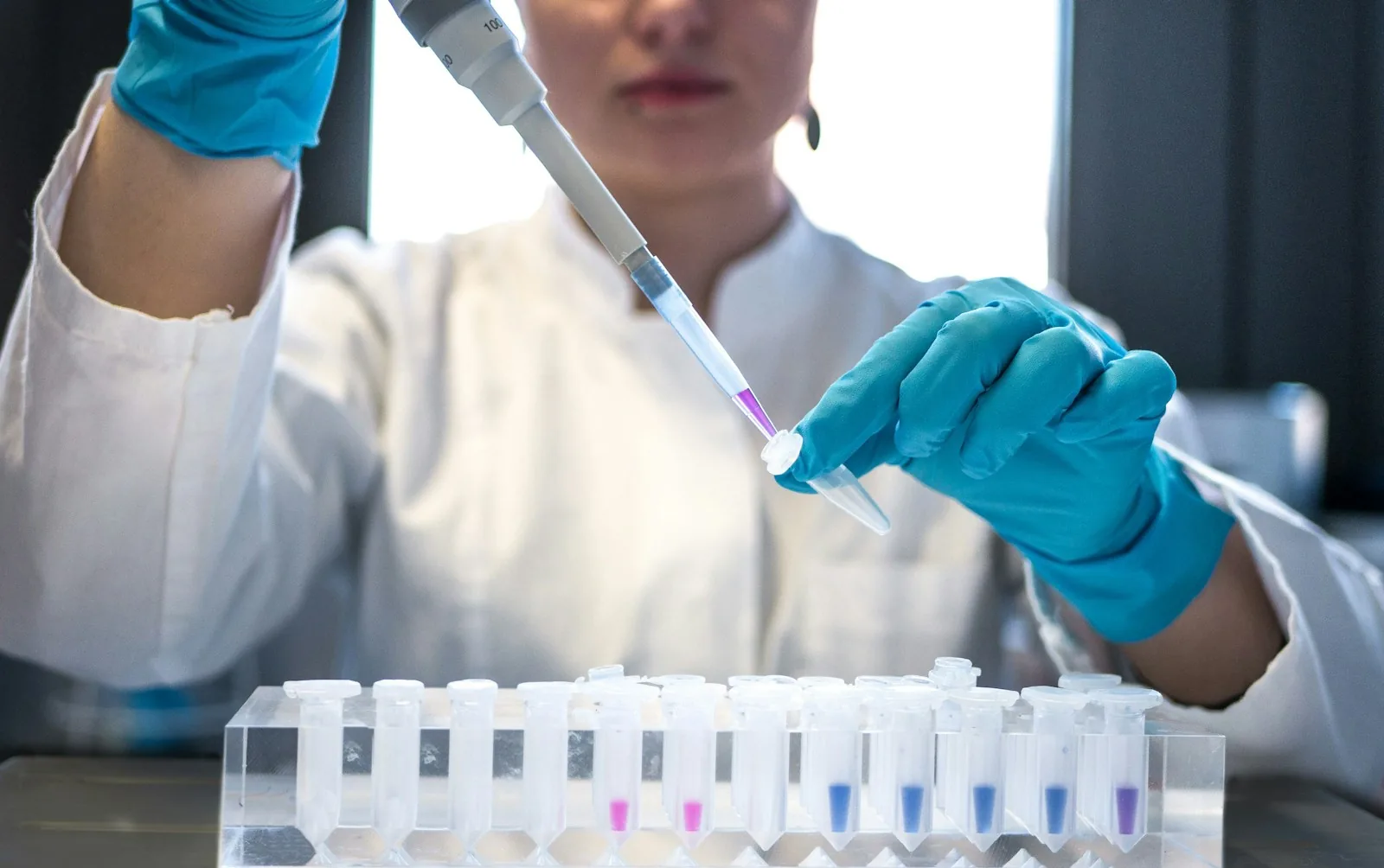
Capture what went into a reaction, what came out and the checks used to establish the answer.
- Experiments to scope
- Reaction screening, molecular characterization, NMR and LC-MS, analytical validation, QC and scoped route development.
- Data types we can collect
- Reaction inputs and conditions, spectra and chromatograms; measured identity, yield or purity; controls, reference measurements and expert interpretation.
Train reaction models and evaluate structure assignment, analytical reasoning and diagnosis of measurement problems.
Enzyme engineering and biocatalysis
Variant, protein quality and activity data
Enzyme engineering and biocatalysis
Variant, protein quality and activity data
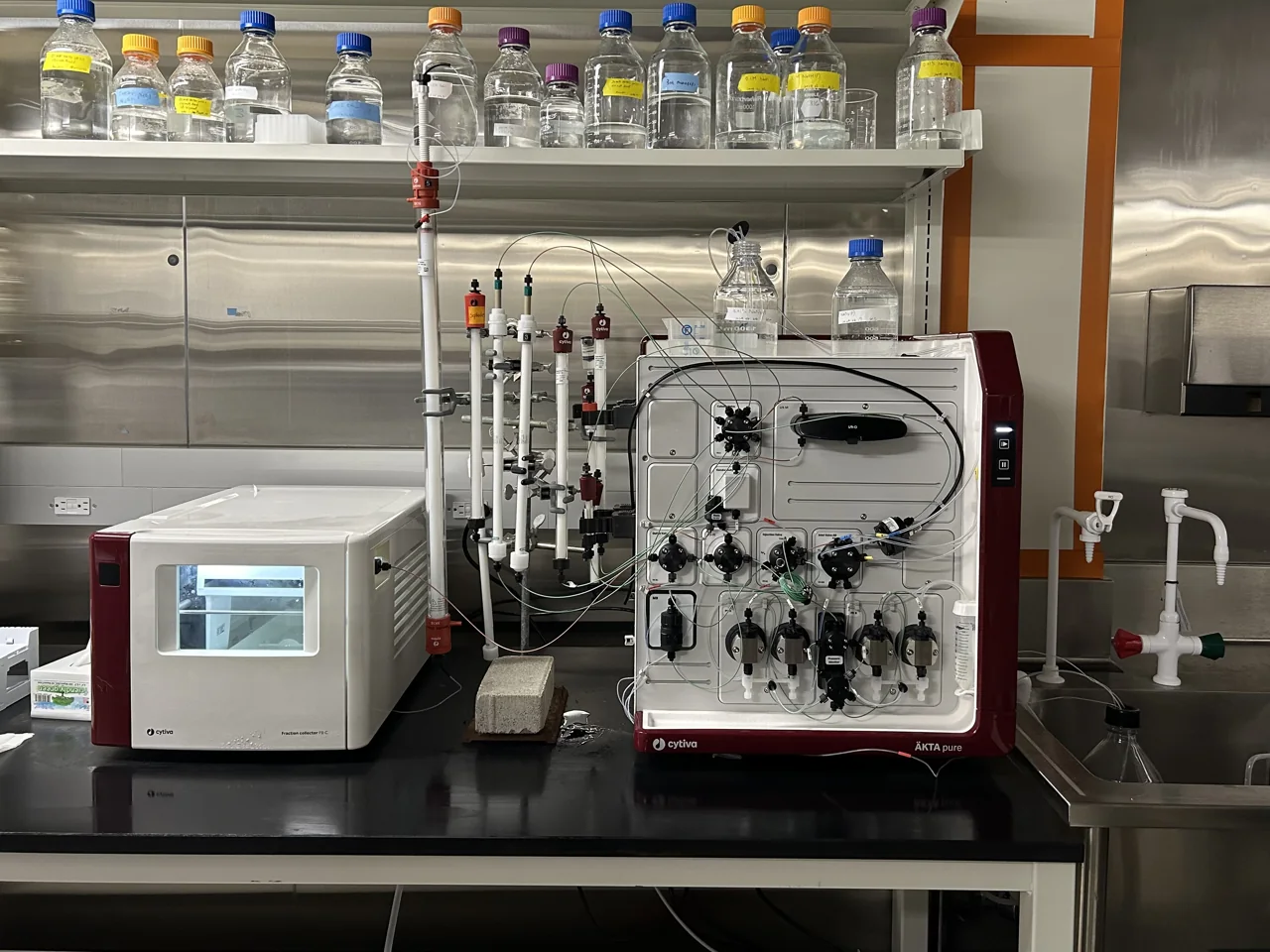
Follow a sequence change through protein production to calibrated activity and substrate response.
- Experiments to scope
- Sequence-verified variants, independent protein preparations, protein quality and activity assays. Kinetics and stability can be scoped separately.
- Data types we can collect
- Variant and protein production records; activity, substrate response, kinetic and stability measurements; controls, preparation metadata and expert interpretation.
Model sequence–expression–function relationships while distinguishing protein recovery from catalytic performance.
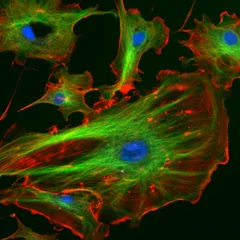
Cell biology and immune assays
Cell signals, images and assay results
Cell biology and immune assays
Cell signals, images and assay results
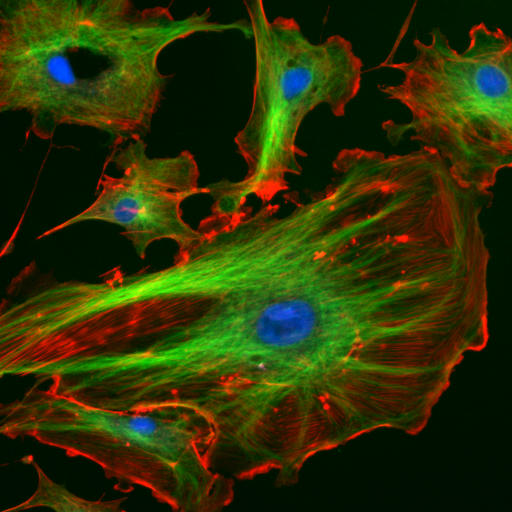
Connect controlled perturbations to cellular responses and molecular measurements across assays.
- Experiments to scope
- Viability and cytotoxicity, flow cytometry, Western blot, qPCR, ELISA and co-culture studies.
- Data types we can collect
- Flow cytometry signals, cell and protein images, gene expression and plate assay data; controls, sample metadata and scientific interpretation.
Learn cellular-response patterns and evaluate interpretation of multiple assays, controls and conflicting evidence.
Methods, laboratory capacity, available historical records and data rights are confirmed for each project before work or transfer.
THE SCIENTIFIC PROCESS
Capture how scientists design, decide and iterate.
Help AI learn to conduct new research through connected records of experimental design, formulation development and the decisions that shape each iteration.
Experimental design
Turn a hypothesis into an experiment.
Capture the scientific question, chosen variables, controls and success criteria, together with the scientist’s reasons for choosing the experiment.
Discuss this workFormulation development
Develop, test and refine materials.
Track battery formulations, catalysts and thin films through recipe versions, preparation conditions and measured results. Connect each change to the sample and test it produced.
Discuss this workDecisions and iteration
Explain why the next step changed.
Record what the scientist knew, which options they considered and why they changed a formulation, repeated a test or stopped. Link that decision to the next experiment and its result.
Discuss this workWHAT YOUR TEAM RECEIVES
Scientific training, expert data and evaluation.
Define the scientific capability first. We scope original records, expert demonstrations and tasks with verifiable outcomes for evaluation or reinforcement learning.
Experimental process
Actual procedures, recipe versions, preparation history and recorded handling. Video recording is optional.
Measurement data
Native instrument files and open exports, with settings, units and sample IDs.
Metadata and quality checks
Sample and run IDs, instrument settings, units, timestamps, controls, independent repeats and QC flags.
Researcher decisions
Expert-reviewed interpretations and decisions to continue, repeat or stop. Measured answers and scoring rules are agreed separately for each task.
Linked, documented delivery
Original files with a sample-to-file map, data dictionary and checksums. Expert labels and interpretation are supplied separately. Training and evaluation rights are agreed for the project.
EXPERIMENTAL EVALUATION
A scientific question. A measured answer.
Our battery and catalyst pilots turn laboratory records into prediction tasks with hidden outcomes and simple scientific baselines. Explore how the tasks are defined, scored and reviewed.
Explore the benchmark methodologyDevelopment studies on a small set of records; they do not establish training gains or a general model ranking.
- Define the scientific decision
- Keep the measured outcome hidden
- Compare with a scientific baseline
- Review the answer and its evidence
TEACHING THE SCIENTIFIC PROCESS
Scientific practice in the laboratory
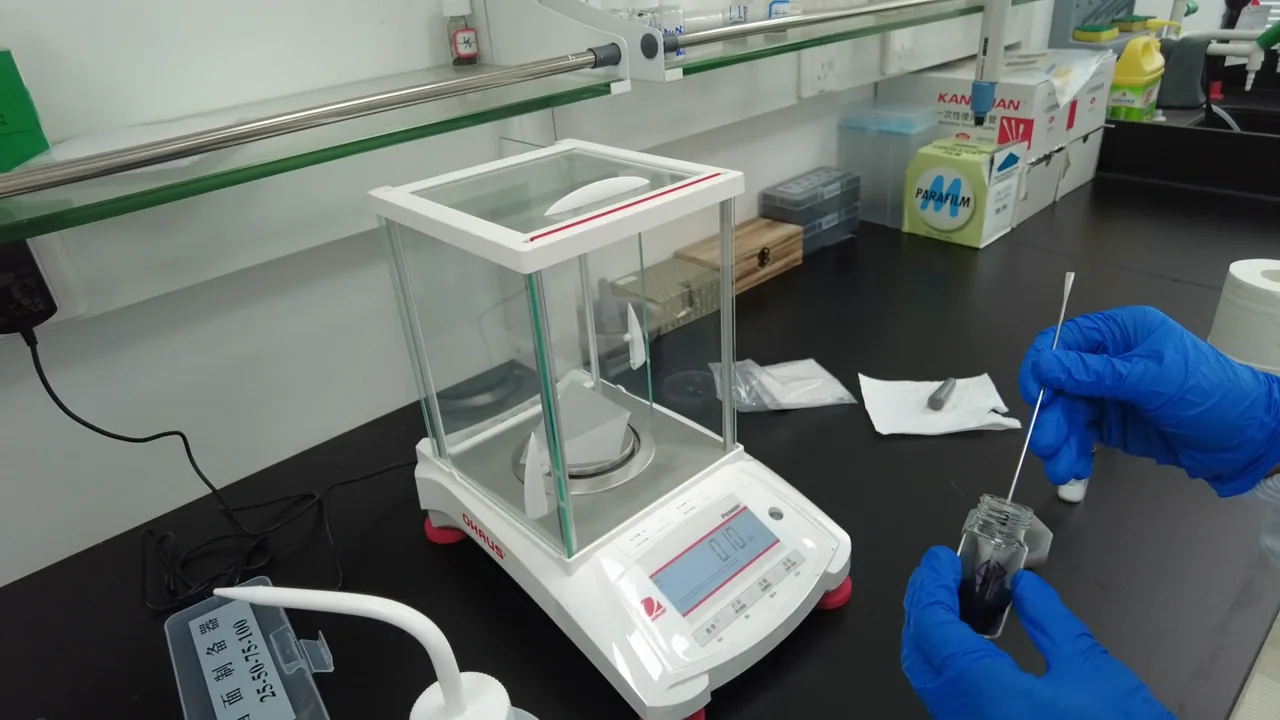
This narrated film explains how laboratory procedures, equipment and observed actions can be connected to structured experimental records for scientific AI.
COMPLETE EXISTING RESEARCH DATA
Build on existing research data.
We commission scientists to recover retained records and context, link measurements and add expert labels and interpretation. Where physical evidence is missing, we scope additional measurements or new experiments with the source laboratory.
Original files stay unchanged. Expert labels and recovered context are supplied separately; missing physical evidence requires new measurements, identified as new.
DESIGN YOUR DATASET
Discuss your scientific data needs.
Tell us what your model should be able to do. We will review a relevant sample with you and scope the measurements, scientist input and collection plan.
Start with a non-confidential brief. We confirm feasibility and a scoped proposal before work begins.
EXPERIMENTAL DATA CAMPAIGN