
EXPERIMENTAL DATA FOR EVALS AND RL
Real experimental data for AI that can do science.
Laboratory data for teams building scientific evals and RL environments. Pick a material and the measurements you need. We deliver the original files with a measured answer to score your model against.
Original measurements and expert review, scoped to your scientific task.
-
Choose the data
Pick a material and the measurements you need from the table below.
-
We source it
From records a laboratory already holds, from new experiments, or from research in progress.
-
You receive it
The original files, the conditions behind them and a measured answer for scoring.
DATA TYPES
Materials and the measurements we can deliver.
Find your material in the left column. Each dot is a kind of measurement we can deliver for it, from existing laboratory records or from new experiments.
- Data type we can deliver
- Sample available on request
| Material | How it was made | Structure and composition | Performance | Reasoning | |||||||
|---|---|---|---|---|---|---|---|---|---|---|---|
| Process records | Machine logs | X-ray diffraction | Electron microscopy | AFM and optical | Elemental and surface | Raman | Voltammetry | Impedance | Cycling and durability | Scientist decisions | |
| Battery electrolytes and additives ★ Sample available on request | Available | Not offered | Not offered | Not offered | Not offered | Not offered | Available | Available | Available | Available | Available |
| Lithium-ion electrodes and cells ★ Sample available on request | Available | Available | Available | Available | Not offered | Available | Available | Available | Available | Available | Available |
| Metal-nitrogen-carbon catalysts ★ Sample available on request | Available | Available | Available | Available | Not offered | Available | Available | Available | Available | Available | Available |
| Oxide fuel-cell and electrolysis electrodes | Available | Available | Available | Available | Not offered | Available | Not offered | Available | Available | Available | Available |
| Graphene and 2D films ★ Sample available on request | Available | Available | Not offered | Available | Available | Available | Available | Not offered | Not offered | Not offered | Available |
| Thin films and lithographic patterns | Available | Available | Available | Available | Available | Available | Not offered | Not offered | Not offered | Not offered | Available |
| Synthesized powders and ceramics | Available | Available | Available | Available | Not offered | Available | Available | Not offered | Not offered | Not offered | Available |
| Sample type | How it was made | Assays | Reasoning | |||||
|---|---|---|---|---|---|---|---|---|
| Preparation records | Flow cytometry | Protein imaging and Western blot | RT-qPCR | ELISA and plate assays | Viability and cytotoxicity | Enzyme kinetics | Scientist decisions | |
| Cultured cells and immune assays ★ Sample available on request | Available | Available | Available | Available | Available | Available | Not offered | Available |
| Enzymes and variants | Available | Not offered | Available | Not offered | Available | Not offered | Available | Available |
HOW WE SOURCE IT
Three ways to get the data.
Every data type can come from unpublished records a laboratory already holds, from experiments run to your specification, or from research in progress.
Unpublished laboratory records
Original files from laboratory archives that have never been published or released publicly, so no model has seen them in training. We recover the files, link them to their specimens and add expert annotation.
Best for Raw-data analysis, held-out outcomes and process monitoring.
Ask about unpublished recordsNew experiments
Work run to your specification: chosen materials, controlled variation, agreed measurements and repeats.
Best for Sets of comparable cases, and measurements the historical record lacks.
Scope new experimentsOngoing research
We fund or support a group’s current research and capture the records as they are produced, including the reasoning behind each step and the runs that failed.
Best for Next-experiment decisions, and results that have not been published.
Discuss a research partnershipEVALS AND RL ENVIRONMENTS
What your model can be asked.
Each task gives a model real laboratory files, such as instrument data and machine logs, and scores its answer against what was actually measured. There are five kinds of task; each is shown with one example.
Raw-data analysis
The agent opens instrument files and reports a quantity. It is scored against a reference value within a tolerance.
Example · Metal-nitrogen-carbon catalysts
What is the half-wave potential for oxygen reduction?
- The agent is given
- A sweep file, the electrode diameter and the catalyst loading
- Scored against
- A reference value within a tolerance
Held-out outcome
The agent reads how a material was made and characterized, then predicts its performance. It is scored against the measurement that was held back.
Example · Lithium-ion electrodes and cells
What will capacity retention be at cycle 300?
- The agent is given
- Formation data and the first 50 cycles
- Scored against
- The measurement that was held back
Measurement selection
The agent spends a budget requesting measurements, then gives a diagnosis. It is scored on the diagnosis and the cost of reaching it.
Example · Cultured cells and immune assays
Which additional assay would settle the result?
- The agent is given
- Results from the assays run so far
- Scored against
- An expert answer with accepted alternatives
Process monitoring
The agent follows a run through its machine logs and flags a fault or a departure from plan. It is scored against the logged events and the outcome.
Example · Graphene and 2D films
In which recipe segment did the reactor depart from its setpoints?
- The agent is given
- The reactor’s machine log
- Scored against
- The events in the log
Next-experiment decision
The agent sees the record up to a decision and chooses what to do next. It is scored against the scientist’s recorded choice and the result that followed.
Example · Lithium-ion electrodes and cells
Which formulation should be tested next, and why?
- The agent is given
- The results to date
- Scored against
- The scientist’s recorded choice and its result
SEE IT BUILT
An RL environment built from laboratory records.
Vicena Gym turns records like these into graded tasks, a virtual laboratory that works within a budget, and a leaderboard. It runs on your own machine.
Explore the RL environments- 334
- benchmark tasks
- 681
- training tasks
- 116
- benchmark episodes
EXPERIMENT FAMILIES
Examples of scientific work your AI can learn from.
Explore scientific data types across materials, chemistry and biology. We scope new experiments or expert completion of suitable historical datasets around your model’s needs.
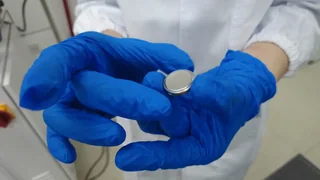
Batteries and electrochemistry
Cycling, impedance, process records and performance data
Batteries and electrochemistry
Cycling, impedance, process records and performance data
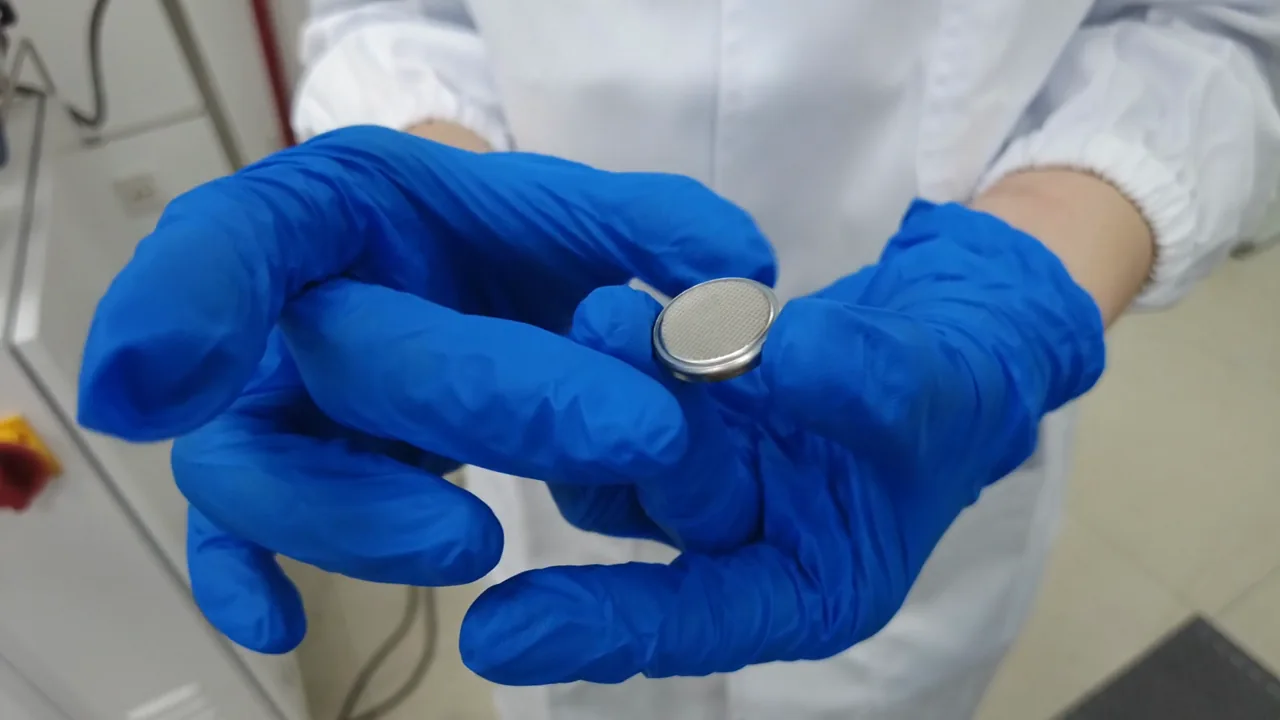
Connect the way a material is prepared and a cell is assembled to its measured performance.
- Experiments to scope
- Formulation and electrode coating; coin-cell assembly; formation, cycling and electrochemical characterization.
- Data types we can collect
- Formation and cycling time series; impedance and resistance measurements; process and formulation records; cell metadata and later performance outcomes.
Study preparation-to-performance relationships and evaluate how models interpret variation, controls and failure.
Example measurements
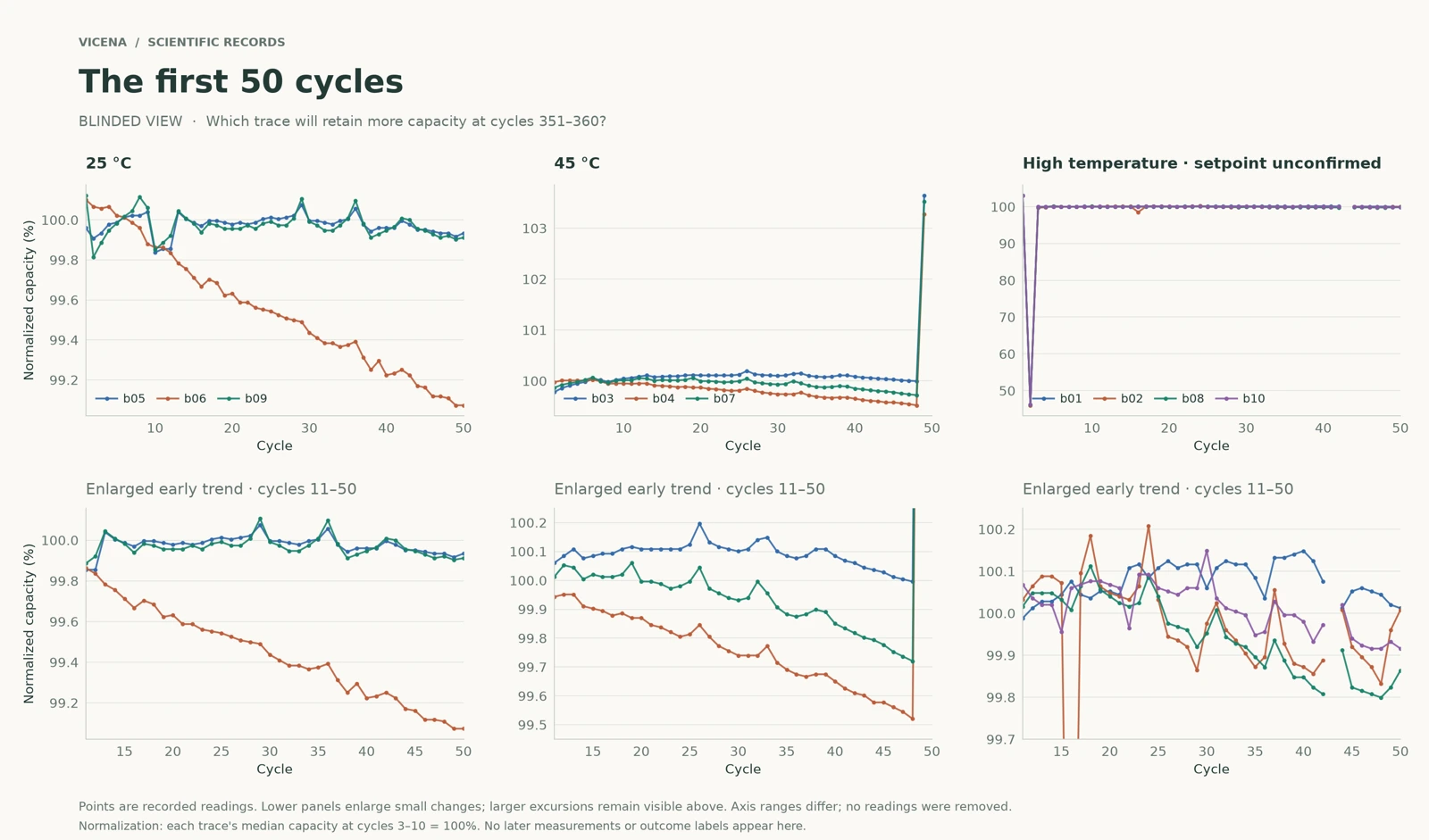
How battery performance changes
Each line follows a battery sample through its first 50 charge cycles. Pairing early measurements with later results lets us test whether a model can choose the sample that holds more charge after repeated use.
Thin films and 2D materials
Reactor logs, Raman spectra, microscopy and fabrication records
Thin films and 2D materials
Reactor logs, Raman spectra, microscopy and fabrication records
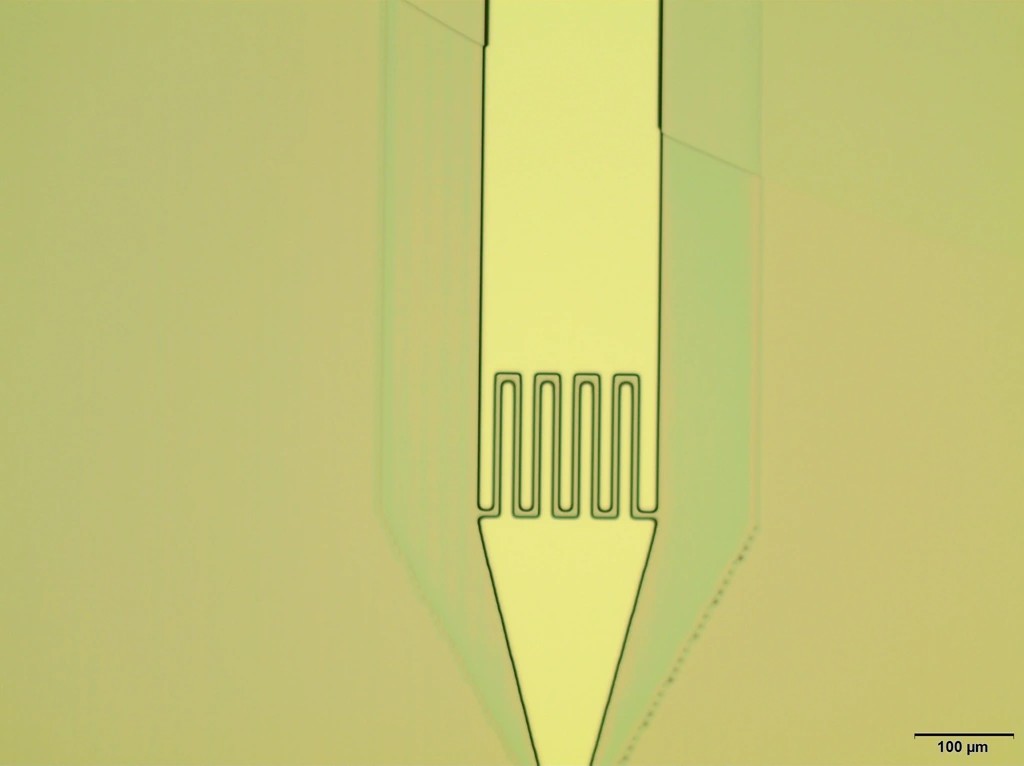
Connect how films are fabricated and 2D materials are transferred to measured quality and the next process decision.
- Experiments to scope
- CVD growth, spin coating, lithography, deposition, etching, lift-off and graphene transfer; individual steps or a linked fabrication workflow.
- Data types we can collect
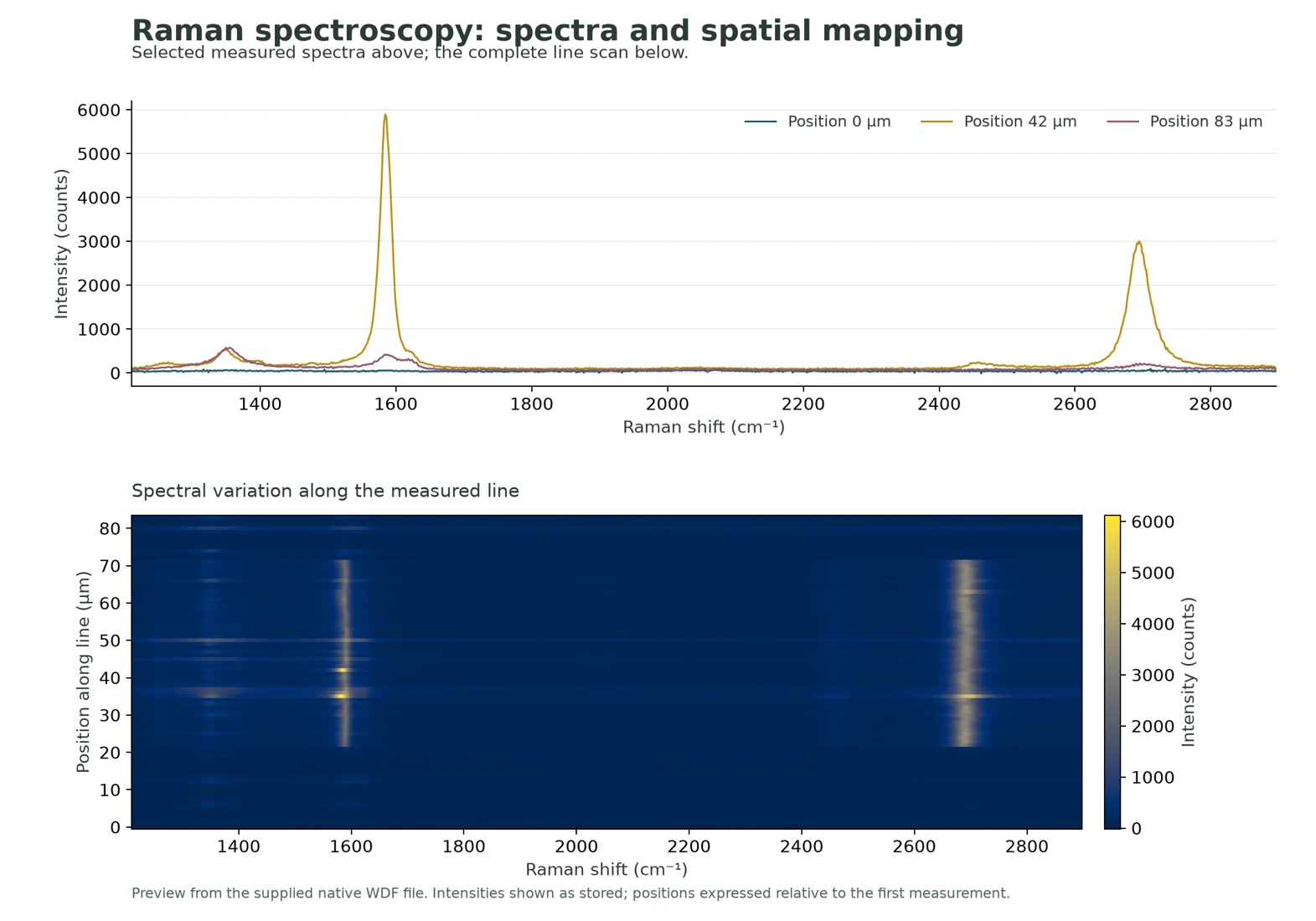
- Reactor time series and process events; native Raman spectra, spatial mapping and acquisition metadata; microscopy, surface scans and expert quality decisions.
Assess pattern fidelity, film coverage and damage, including the expert judgement needed before the next step.
Example measurements
What a material’s measurements reveal
These light-based measurements show how a material’s response varies across the measured line. Scientist-reviewed interpretations can help a model learn to recognize differences and assess quality.
What happened during an experiment
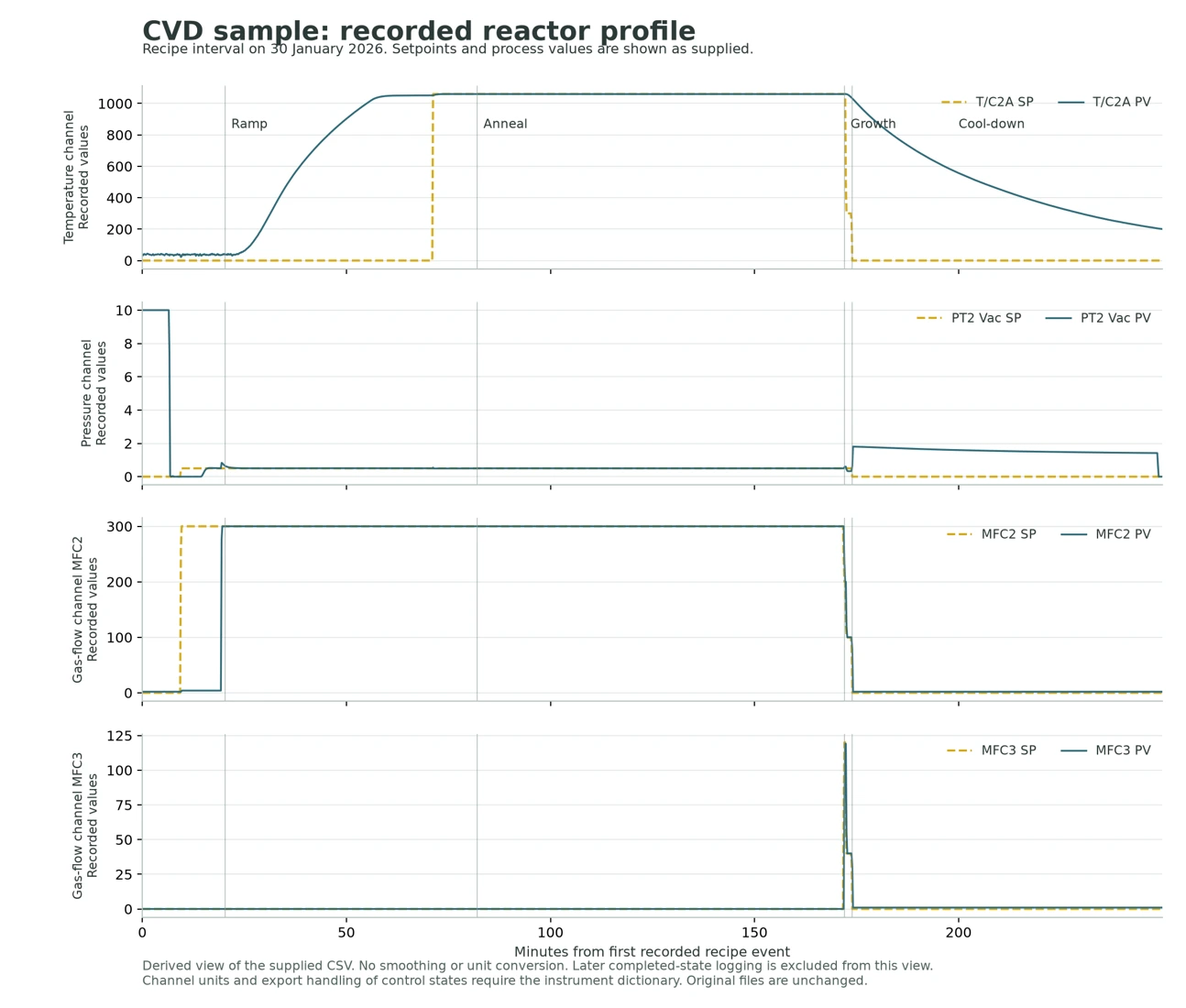
These traces record reactor signals over one run. Process records can help a model connect experimental conditions to observations and decide what to investigate next. This record is separate from the Raman example.
SUPPLIED RESEARCH EXAMPLES
Examples of process failures
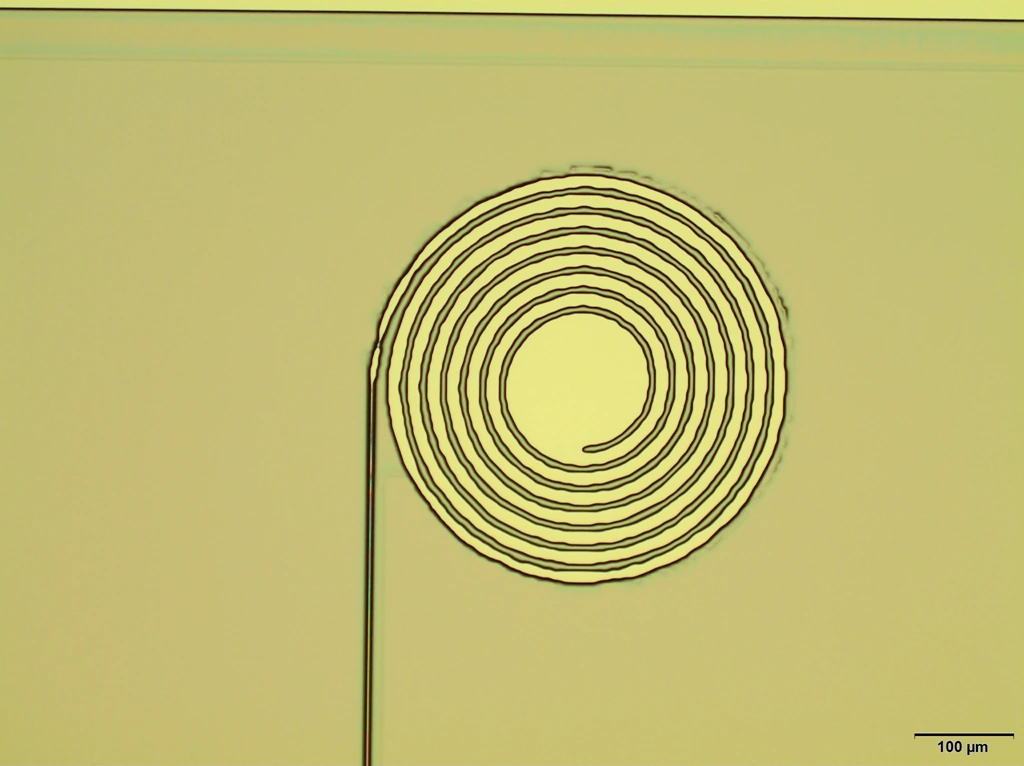
These microscopy and AFM figures show reported quality problems in fabrication. A new campaign can connect such observations to process settings, original measurements and the researcher’s next decision.
 Open full image
Laser lithography
- Reported issue
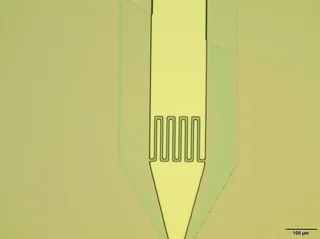
- Wavy or scalloped pattern edges and varying linewidth after laser lithography for a microwave resonator.
- Data to capture in a new programme
- Exposure recipe and settings, calibrated pattern images and linewidth measurements, with the researcher’s decision to accept or rework.
- AI learning task
- Assess pattern fidelity before the next fabrication step.
 Open full image
Graphene transfer
- Reported issue
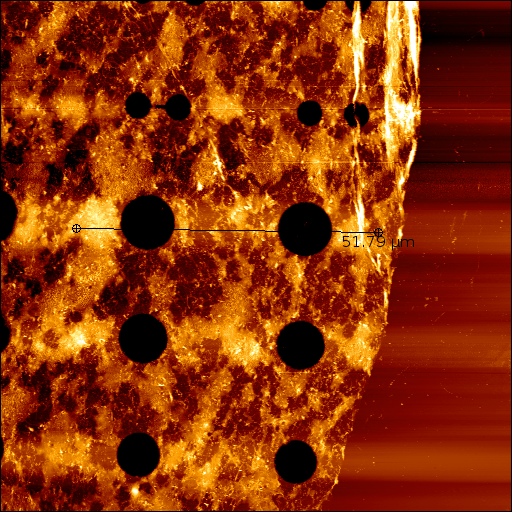
- The supplied slide reports openings left uncovered after graphene transfer, based on AFM.
- Data to capture in a new programme
- Transfer and drying conditions, native AFM scans and height profiles, substrate and scan coordinates, and the next-step decision.
- AI learning task
- Check film coverage and choose the next measurement or process change.
 Open full image
Multilayer deposition
- Reported issue
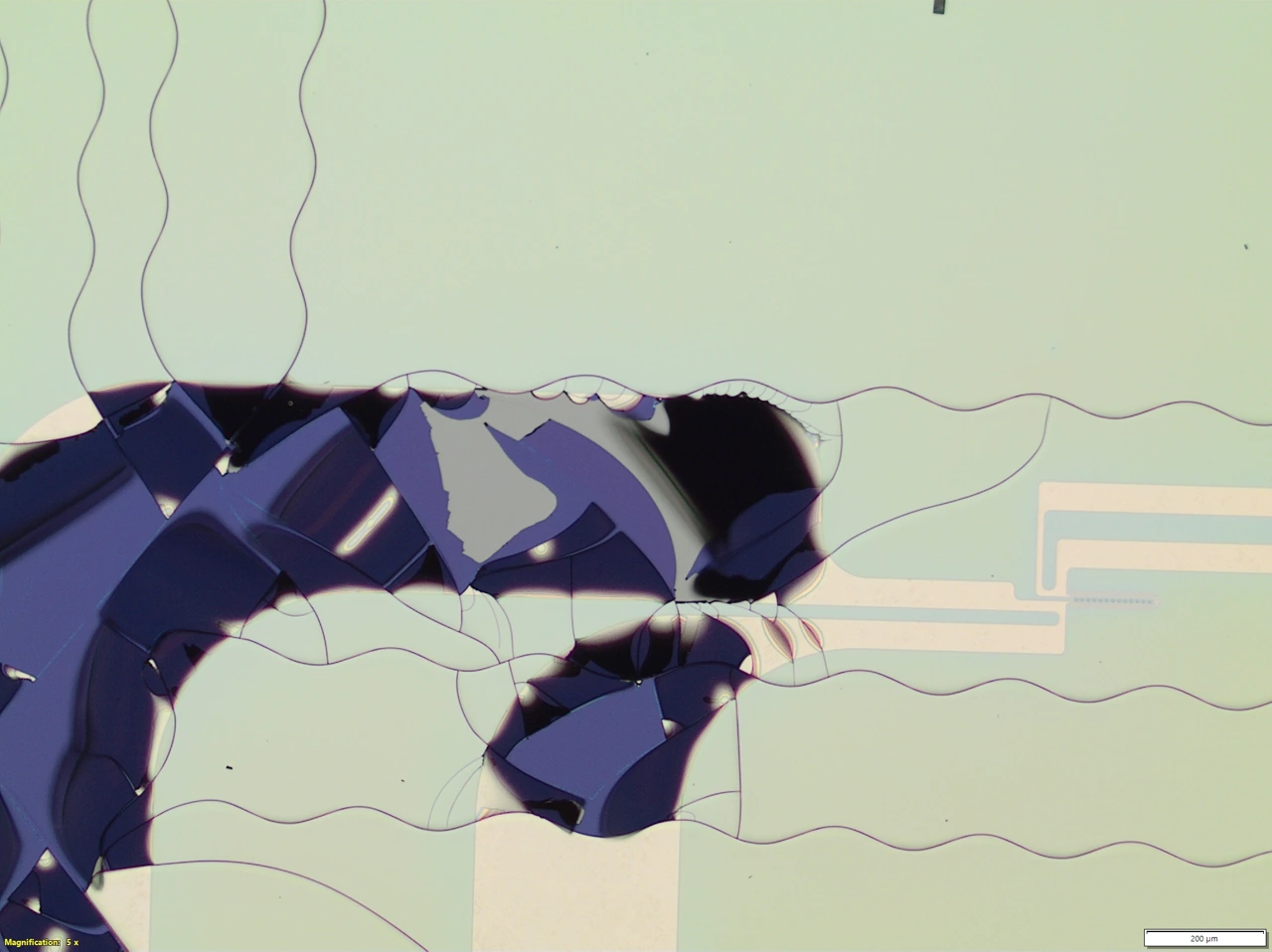
- Wrinkling and broken structures after CVD deposition of a Si/SiO₂/SiNₓ stack.
- Data to capture in a new programme
- Layer sequence and deposition settings, original microscopy, thickness and defect measurements, and the researcher’s interpretation.
- AI learning task
- Recognize film damage and evaluate which step to investigate next.
Figures shared by Hadi Arjmandi Tash. Native files, sample links and capture terms are agreed for each new programme.
Materials synthesis and characterization
Diffraction, microscopy, composition and performance data
Materials synthesis and characterization
Diffraction, microscopy, composition and performance data
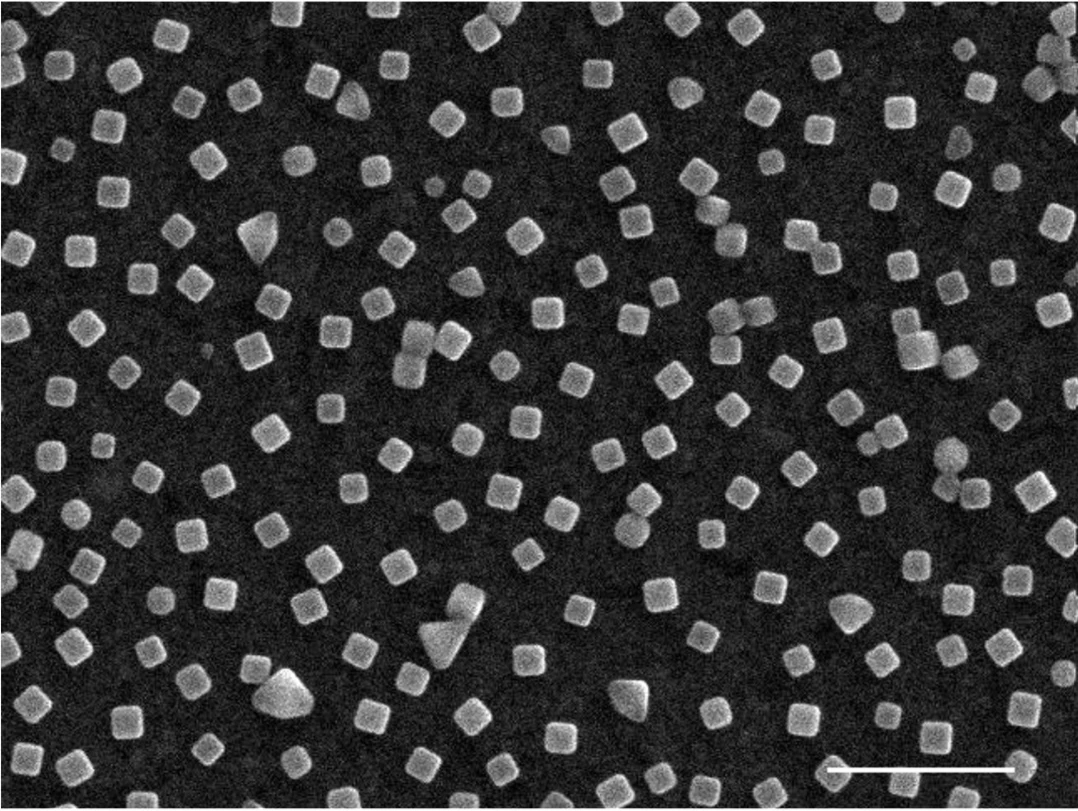
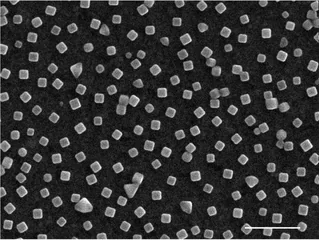
Connect a material’s preparation history to its structure, composition and measured performance, including catalyst and oxygen-electrode studies.
- Experiments to scope
- Solid-state synthesis, XRD, microscopy and elemental or surface analysis; catalyst and oxygen-electrode performance and durability tests.
- Data types we can collect
- Diffraction patterns, microscopy images, elemental maps and surface spectra; electrochemical response and durability time series; sample and test metadata.
Build datasets for structure–property prediction, phase analysis and interpretation of measured evidence.
Chemical synthesis and analytical testing
Reaction records, spectra and chromatograms
Chemical synthesis and analytical testing
Reaction records, spectra and chromatograms
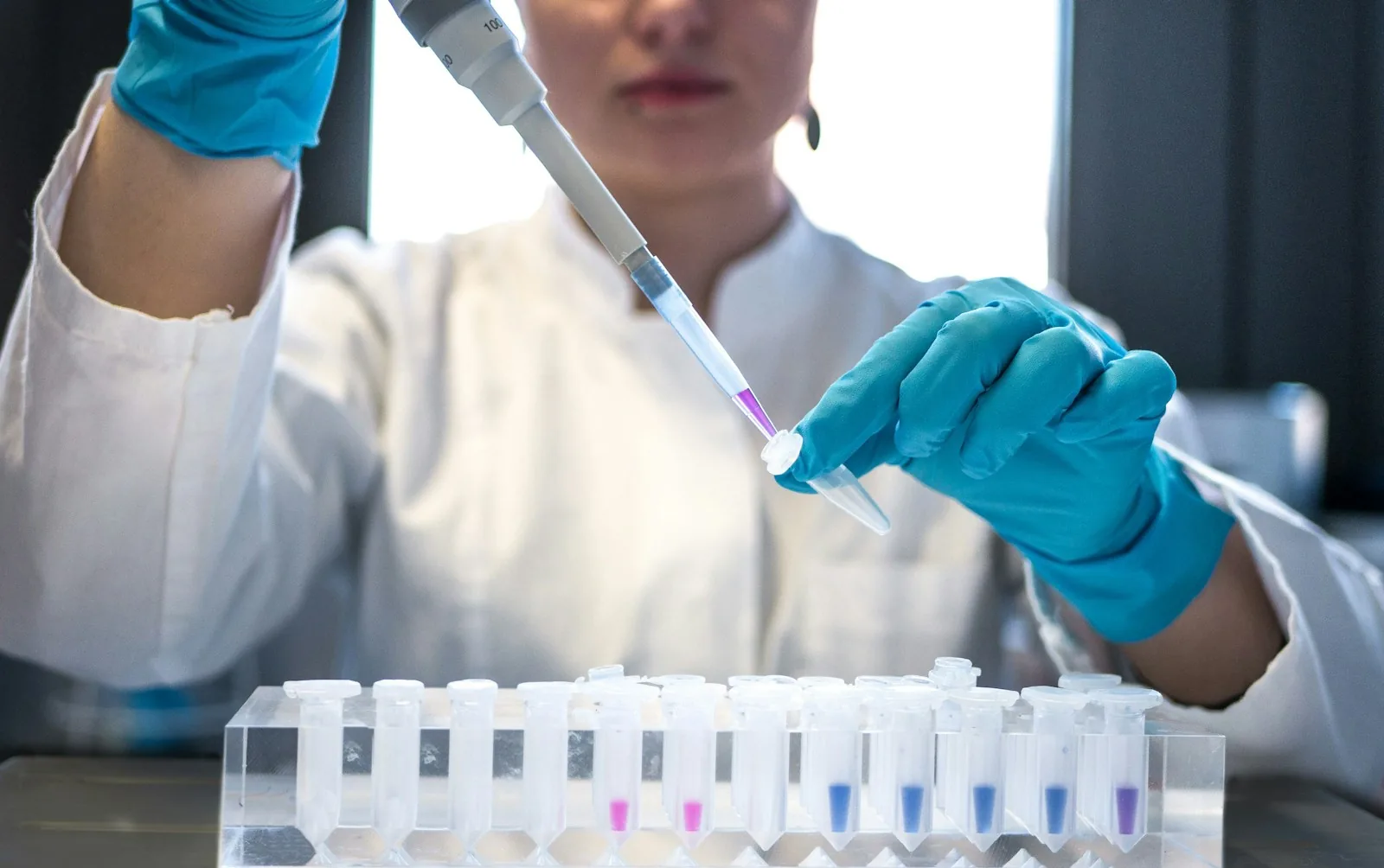
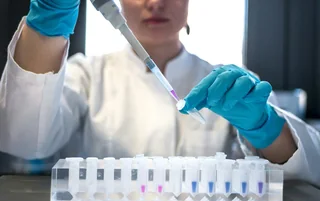
Capture what went into a reaction, what came out and the checks used to establish the answer.
- Experiments to scope
- Reaction screening, molecular characterization, NMR and LC-MS, analytical validation, QC and scoped route development.
- Data types we can collect
- Reaction inputs and conditions, spectra and chromatograms; measured identity, yield or purity; controls, reference measurements and expert interpretation.
Train reaction models and evaluate structure assignment, analytical reasoning and diagnosis of measurement problems.
Enzyme engineering and biocatalysis
Variant, protein quality and activity data
Enzyme engineering and biocatalysis
Variant, protein quality and activity data
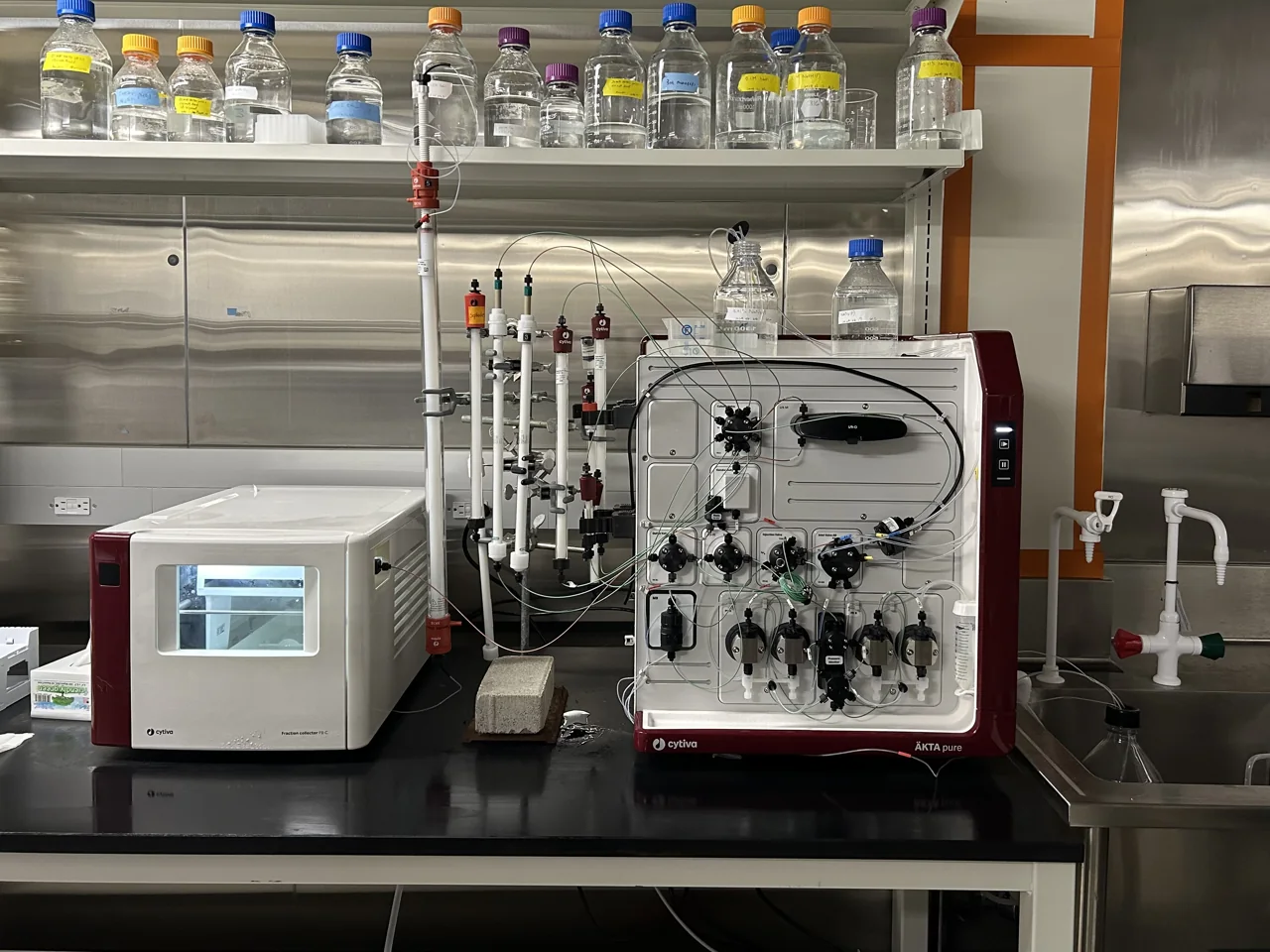
Follow a sequence change through protein production to calibrated activity and substrate response.
- Experiments to scope
- Sequence-verified variants, independent protein preparations, protein quality and activity assays. Kinetics and stability can be scoped separately.
- Data types we can collect
- Variant and protein production records; activity, substrate response, kinetic and stability measurements; controls, preparation metadata and expert interpretation.
Model sequence–expression–function relationships while distinguishing protein recovery from catalytic performance.
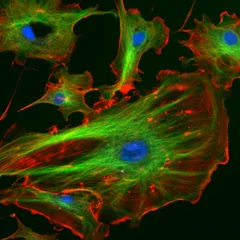
Cell biology and immune assays
Cell signals, images and assay results
Cell biology and immune assays
Cell signals, images and assay results
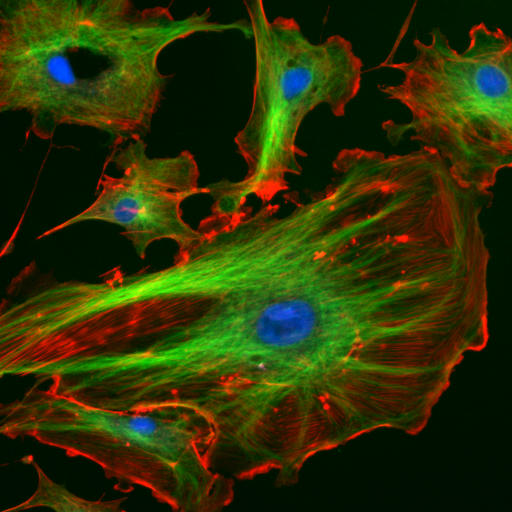
Connect controlled perturbations to cellular responses and molecular measurements across assays.
- Experiments to scope
- Viability and cytotoxicity, flow cytometry, Western blot, qPCR, ELISA and co-culture studies.
- Data types we can collect
- Flow cytometry signals, cell and protein images, gene expression and plate assay data; controls, sample metadata and scientific interpretation.
Learn cellular-response patterns and evaluate interpretation of multiple assays, controls and conflicting evidence.
Methods, laboratory capacity, available historical records and data rights are confirmed for each project before work or transfer.
THE SCIENTIFIC PROCESS
Capture how scientists design, decide and iterate.
Help AI learn to conduct new research through connected records of experimental design, formulation development and the decisions that shape each iteration.
Experimental design
Turn a hypothesis into an experiment.
Capture the scientific question, chosen variables, controls and success criteria, together with the scientist’s reasons for choosing the experiment.
Discuss this workFormulation development
Develop, test and refine materials.
Track battery formulations, catalysts and thin films through recipe versions, preparation conditions and measured results. Connect each change to the sample and test it produced.
Discuss this workDecisions and iteration
Explain why the next step changed.
Record what the scientist knew, which options they considered and why they changed a formulation, repeated a test or stopped. Link that decision to the next experiment and its result.
Discuss this workWHAT YOUR TEAM RECEIVES
Scientific training, expert data and evaluation.
Define the scientific capability first. We scope original records, expert demonstrations and tasks with verifiable outcomes for evaluation or reinforcement learning.
Experimental process
Actual procedures, recipe versions, preparation history and recorded handling. Video recording is optional.
Measurement data
Native instrument files and open exports, with settings, units and sample IDs.
Metadata and quality checks
Sample and run IDs, instrument settings, units, timestamps, controls, independent repeats and QC flags.
Researcher decisions
Expert-reviewed interpretations and decisions to continue, repeat or stop. Measured answers and scoring rules are agreed separately for each task.
Linked, documented delivery
Original files with a sample-to-file map, data dictionary and checksums. Expert labels and interpretation are supplied separately. Training and evaluation rights are agreed for the project.
EXPERIMENTAL EVALUATION
A scientific question. A measured answer.
Our battery and catalyst pilots turn laboratory records into prediction tasks with hidden outcomes and simple scientific baselines. Explore how the tasks are defined, scored and reviewed.
Explore the benchmark methodologyDevelopment studies on a small set of records; they do not establish training gains or a general model ranking.
- Define the scientific decision
- Keep the measured outcome hidden
- Compare with a scientific baseline
- Review the answer and its evidence
TEACHING THE SCIENTIFIC PROCESS
Scientific practice in the laboratory
This narrated film explains how laboratory procedures, equipment and observed actions can be connected to structured experimental records for scientific AI.
COMPLETE EXISTING RESEARCH DATA
Build on existing research data.
We commission scientists to recover retained records and context, link measurements and add expert labels and interpretation. Where physical evidence is missing, we scope additional measurements or new experiments with the source laboratory.
Original files stay unchanged. Expert labels and recovered context are supplied separately; missing physical evidence requires new measurements, identified as new.
DESIGN YOUR DATASET
Discuss your scientific data needs.
Tell us what your model should be able to do. We will review a relevant sample with you and scope the measurements, scientist input and collection plan.
Start with a non-confidential brief. We confirm feasibility and a scoped proposal before work begins.
EXPERIMENTAL DATA CAMPAIGN